Busan IFC Mall (2F–4F) · 6,600㎡ One-Day Comprehensive Health Screening & Specialist Care · International Patient Concierge


Medical Guide
Combining a Health Checkup and GI Screening in Korea
How to combine a health checkup and colonoscopy in Korea on one trip: what the shared fast covers, how the day runs, and real limits of a combined visit.
Schedule a ConsultationCombining a Health Checkup and GI Screening in Korea
Medically reviewed by Dr. Bae Jae Kyoung, Family Medicine and Preventive Medicine Specialist
Travelers who want to combine a health checkup and colonoscopy in Korea are usually solving an arithmetic problem rather than a medical one. Two examinations, one trip, a finite number of days on the ground. The good news is that the arithmetic works better than people expect, because a comprehensive screening program and a gastrointestinal endoscopy share a fast, share a preparation day and share a building. The less convenient news is that the combined day is longer than either piece alone, and sedation removes the afternoon from your calendar in a way that no amount of planning recovers. This guide covers both halves honestly.
The Bottom Line
- At Yonsei Mirae IFC Medical Center in Busan, screening programs run from Basic through Platinum, and the options available across them can include a sedated colonoscopy alongside imaging and laboratory testing.
- A single overnight fast and a single preparation day serve both the blood work and the endoscopy, which is the genuine efficiency in combining them.
- Sedation means the rest of that day belongs to recovery. Plan for the appointment to consume the day, not the morning.
- Settle the combination at reservation, as one visit rather than two bookings, and confirm what your selected program includes before you fly.
What Can Actually Be Combined
A comprehensive checkup is not one test. It is a set of examinations assembled around a person's age, history and concerns, and the assembly is where the combining happens. Yonsei Mirae IFC Medical Center organizes its screening into tiered programs — Basic, Silver, Gold, Premium and Platinum — and the options that can sit inside those tiers include 3.0T MRI, 128-channel MDCT, cardiac ultrasound and a sedated colonoscopy. Gastroscopy sits in the same family of examinations, performed with the center's Olympus 290-series high-definition endoscopy equipment.
The clinic is also explicit that most routine screening tests need no anesthesia, while sedation may be used for certain endoscopic examinations. That single sentence is the hinge on which the whole logistics question turns. Everything else in a checkup — the blood draw, the ultrasound, the imaging, the measurements — leaves you able to walk out and carry on. The endoscopy does not.
Whether a colonoscopy or a gastroscopy belongs in your program at all is a separate question from whether it is convenient. Colorectal cancer screening carries a recommendation from the U.S. Preventive Services Task Force that applies to a defined band of adult ages, offers several acceptable testing methods rather than mandating one, and carries different weight toward the older end of that band. The National Cancer Institute's patient-facing material on screening makes the underlying point plainly: a screening test is worth doing when the evidence supports it for someone in your situation, not simply because it is available. Bring that question to a clinician before you book a program around an examination you may not need.
Why One Fast and One Preparation Day Cover Both
The efficiency in a combined visit is not that two tests happen in the same building. It is that the same preparation buys both.
A comprehensive checkup already asks you to fast. Strenuous exercise, overwork and alcohol are all discouraged in the run-up, and the fast itself begins at 9 PM on the preceding evening. Gastroscopy asks for an empty stomach as well, including no water for eight hours. Those two requirements do not stack; they overlap. The night of restraint you were already going to spend for accurate laboratory values is the same night the endoscopy needs.
Colonoscopy adds a bowel preparation on top, and that genuinely is an extra task with its own dietary restrictions and its own timing, which the center provides instructions for. But it is still one preparation, occupying one day, rather than two separate preparations occupying two. Someone who books a checkup in March and returns for a colonoscopy in September does the restrictive evening twice, takes time off twice and travels twice. Someone who combines them does it once.
That is the honest case for combining, and it is a good one. It is worth noting what it is not: it is not an argument that more tests on one day produce a better picture of your health. The value of each examination is unchanged by the company it keeps.
How the Sequence Runs Inside the Visit
The center describes a one-day, one-stop process, with a comprehensive checkup generally running about three and a half to four hours from arrival through the review of results. The sequence inside that window follows a logic set by the fast and by the sedation.
- **Fasting-dependent items go first.**Blood collection and anything else that requires an empty stomach happens early, because the fast cannot be extended indefinitely without becoming unpleasant.
-**The endoscopy is scheduled as a block, not a slot.**Beyond the examination itself there is a sedation assessment beforehand and observation in a monitored recovery area afterward, and the clinic notes that the total appointment runs longer than the procedure because of exactly those steps.
-**Non-fasting examinations fill the gaps.**Imaging, ultrasound and measurements that do not depend on an empty stomach can sit around the endoscopy block.
-**The results conversation comes last.**The center states that its one-day checkup model allows results to be reviewed on the same day, though laboratory and pathology work has its own timetable.
The screening department opens at 7:30 AM on weekdays and closes at 4:30 PM, with a shorter Saturday window that ends at 12:30 PM, which is why combined visits are normally built around an early start. Sundays and public holidays are not available.
The Part That Costs You: Sedation Takes the Day
This is where combined visits disappoint people who planned optimistically, so it is worth stating directly.
After a sedated endoscopy you rest in a monitored recovery area until you are adequately recovered, and the clinic advises against driving or operating machinery for the remainder of that day. Dizziness can persist and may require additional rest. The American Society of Anesthesiologists, writing for patients about recovery from anesthesia and sedation, describes the same reality in general terms: judgment and coordination take time to return, and the hours after a procedure are not ordinary hours.
Translated into trip terms: the afternoon is gone. Not partly compromised — gone. You will not be walking a market, taking a day trip or making a dinner reservation that requires alertness. You will also need someone to accompany you home, which for a solo traveler is a logistics question worth answering before the day arrives rather than during it.
Someone who books only a checkup with no endoscopy has a different day entirely, and can generally carry on once the appointment ends. That is the real trade-off in combining, and it is a fair price for not making a second trip. It is only a bad surprise if nobody told you.
And If a Polyp Is Found
The center can remove suitable colon polyps during the same colonoscopy in which they are found, through its same-day one-stop approach. That is a genuine advantage: diagnosis and treatment finish in one visit rather than generating a second appointment.
It also changes the shape of the days that follow. A colonoscopy that becomes a polypectomy carries its own aftercare instructions and its own activity and travel restrictions, and the timing of onward travel becomes a question for the treating physician rather than for your booking confirmation. The practical implication for planning a combined trip is simple: leave margin at the end. A schedule with no slack works beautifully right up until the examination finds something, which is, after all, the reason for having it.
What to Settle Before You Fly
The difference between one visit and two accidental ones is almost entirely a matter of what gets agreed at reservation. Raise each of them while you are still choosing dates, using the center's booking and inquiry channel.
-**That it is one booking.**Say explicitly that you want the checkup and the endoscopic examination on the same visit, and confirm that the program you are selecting accommodates that.
-**What your program includes.**Program scope varies between tiers; confirm the contents of the specific program you are considering directly with the center rather than assuming an examination is part of it.
-**Whether sedation is planned, and what the assessment needs.**The sedation assessment is part of the appointment, and your medication list and medical history feed into it.
-**The realistic end time.**Ask what time you are likely to leave the building, and plan the rest of the day around that answer rather than around the length of the procedure.
-**Who accompanies you.**Confirm what the center expects regarding a companion after sedation.
-How and when results reach you, including anything that will follow after you have flown home.
The Agency for Healthcare Research and Quality's SHARE Approach frames medical decisions as a dialogue in which benefits, harms and what matters most to the patient are all explored rather than assumed, and its QuestionBuilder tool exists to help patients arrive with their questions written down. Both are worth using here, because a combined visit involves more decisions than a single test does, and the decisions are easier to make calmly in advance.
Something similar runs through the Yellow Book chapter on medical tourism published by the Centers for Disease Control and Prevention: for care received overseas, the decisive planning is the planning done before departure, especially around records, communication and what happens afterward. A combined checkup is an unusually good illustration of that, because two examinations generate two sets of results that both need to reach your physician at home.
Frequently Asked Questions
Can a colonoscopy really be part of a health checkup program here?
Screening programs at Yonsei Mirae IFC Medical Center range from Basic through Platinum, and the options available across those programs can include a sedated colonoscopy along with imaging and other examinations. What your specific program includes depends on which one you select, so confirm the contents with the center when you reserve.
Do I need two separate fasts for the checkup and the endoscopy?
No. The overnight fast a comprehensive checkup already requires is the same fast the gastroscopy needs. A colonoscopy adds a bowel preparation with its own instructions, but that is one additional task within the same preparation period rather than a second visit's worth of restriction.
How long will the combined day take?
A comprehensive checkup at the center generally runs about three and a half to four hours. Adding a sedated endoscopy extends that, because the appointment includes assessment before sedation and observation afterward. Ask the center for a realistic departure time for your particular program.
Can I sightsee after the appointment?
Not on the day of a sedated examination. The clinic advises against driving or operating machinery afterward, and recommends additional rest if dizziness persists. Treat the whole day as committed to the appointment, and keep plans for the following day flexible as well.
Should I have a colonoscopy just because it is convenient to add?
Convenience is not a clinical reason. The U.S. Preventive Services Task Force sets out the ages and circumstances in which colorectal cancer screening is recommended, and the National Cancer Institute's patient material explains why the value of any screening test depends on who is being screened. Decide with a clinician whether the test is indicated for you, then decide where to have it.
What happens to my results after I go home?
English-language versions of your examination report, the physician's notes and your medical record can be issued for international patients, and the center provides follow-up support including referral pathways when a finding needs further evaluation. Agree the delivery method before you leave, and hand over the details of the physician who should receive the documents. The center's about page describes more of what it offers visiting patients.
This article is for general informational purposes and does not constitute individualized medical advice, and it is not a self-diagnosis tool. Screening options, test selection, and the meaning of any result can only be determined through consultation with a qualified physician.
More Articles
Continue reading our clinical guides.
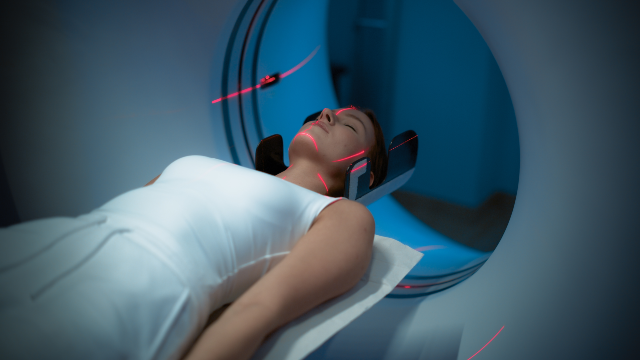
Is a 3.0T MRI Health Screening Safe? Radiation, Contrast
What MRI screening safety really involves: no ionizing radiation, gadolinium contrast risks, implant disclosure, pregnancy advice and claustrophobia help.
Learn More
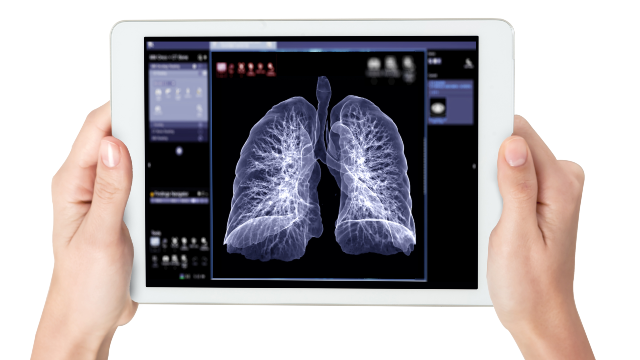
Low-Dose CT Lung Cancer Screening in Korea: Who Qualifies
Who should consider low-dose CT lung screening in Korea: age and smoking criteria from the USPSTF and ACS, trial evidence, risks, and follow-up planning.
Learn More
Combining a Health Checkup and GI Screening in Korea
How to combine a health checkup and colonoscopy in Korea on one trip: what the shared fast covers, how the day runs, and real limits of a combined visit.
Learn More