Busan IFC Mall (2F–4F) · 6,600㎡ One-Day Comprehensive Health Screening & Specialist Care · International Patient Concierge

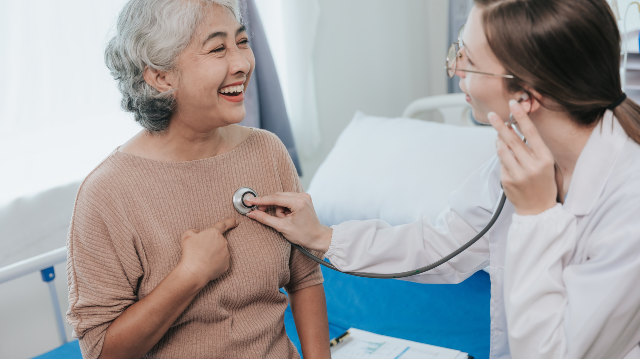
Medical Guide
Inside a One-Day Health Checkup in Korea: Hour by Hour
A step-by-step walk through a one-day health checkup in Korea: reservation, fasting rules, a 3.5-4 hour test circuit, and reviewing results with a doctor.
Schedule a ConsultationInside a One-Day Health Checkup in Korea: What Happens During Your 4-Hour Visit
Medically reviewed by Dr. Bae Jae Kyoung, Family Medicine and Preventive Medicine Specialist
If you are researching the one-day health checkup Korea process before you book, the question underneath every other question is usually the same one: what will the day actually feel like? Many American visitors picture a hospital admission, an overnight stay, and a stack of paperwork. At Yonsei Mirae IFC Medical Center in Busan, a comprehensive checkup is built as a single, continuous visit that generally runs about 3.5 to 4 hours from the moment you arrive to the moment you sit down to review your results. This guide walks that morning end to end, so you can plan your trip around it rather than guessing.
The Bottom Line
- A comprehensive checkup at Yonsei Mirae IFC Medical Center is designed as a one-day, one-stop visit of roughly 3.5 to 4 hours; a national health checkup runs about 1.5 to 4 hours depending on which tests are included.
- The published patient path is simple and sequential: make a reservation, receive your preparation materials, follow the pre-checkup instructions, visit the center, complete your selected tests, then receive and review the results.
- The center asks you to fast after 9 PM the night before, and to avoid alcohol, strenuous exercise and overwork in the run-up to your appointment, because all three can distort routine laboratory values.
- Health screening hours are Monday through Friday, 7:30 AM to 4:30 PM, and Saturday, 7:30 AM to 12:30 PM, Korean Standard Time, with the center closed on Sundays and public holidays.
- The visit ends with interpretation, not with a printout: a physician reviews what the tests found and what, if anything, deserves a closer look.
Why a One-Day Checkup Is Organized Differently
In the United States, a thorough preventive workup is usually a sequence of separate errands. Blood draw at one lab, an ultrasound at an imaging facility across town, an endoscopy scheduled weeks out at a third location, and a follow-up office visit after that. Each step is its own appointment, its own check-in desk, and its own wait.
A one-stop screening center inverts that. The laboratory, the imaging suite, the endoscopy rooms and the consultation offices all sit inside the same building, and the schedule is written so that one patient moves through them in a planned order. Yonsei Mirae IFC Medical Center occupies approximately 6,600 square meters across the second, third and fourth floors of IFC Mall in Busan's Nam-gu district, directly beside BIFC subway station. The layout includes male and female separated checkup zones and a separate VIP patient route, which is one of the practical reasons the circuit keeps moving instead of bottlenecking.
That architecture is what makes a four-hour window realistic. Nothing about the individual tests is faster than it would be anywhere else. What changes is the dead time between them.
Step 1: Making the Reservation
The first step in the published sequence is the reservation itself. For international patients this is also the moment the rest of the visit gets shaped, because the reservation determines which examinations are booked, how much room the schedule needs, and whether an interpreter is assigned to you.
A few things are worth settling at this stage:
- The date and start time, keeping in mind that health screening begins at 7:30 AM on weekdays and that Saturday screening ends at 12:30 PM.
- Which examinations you want included, and whether any of them require sedation.
- Whether you are bringing prior medical records from a physician in the United States, which gives the reviewing doctor a baseline to compare against.
- Language support, so that English interpretation is arranged in advance rather than improvised on the day.
Yonsei Mirae IFC Medical Center operates a dedicated international medical center with a foreign-patient coordinator and English and Chinese interpretation, and reports, doctor's notes and medical records can be prepared in English. You can start the conversation through the center's contact page.
One scheduling note that trips people up: the clinic performs approximately 50,000 checkups a year, and morning slots are the natural home for fasting-dependent tests. Booking early in your Korea itinerary rather than on your last morning also leaves room if a finding warrants an extra test.
Step 2: Your Preparation Materials Arrive
Once the reservation is confirmed, the center sends preparation materials. This is not a formality. The instructions differ depending on which examinations are in your program, and following them is the single largest thing you personally control about the accuracy of your results.
Expect the materials to cover:
- The fasting cutoff and what, if anything, you may drink.
- How to handle regular medications on the morning of the visit.
- Extra preparation for specific procedures, most notably colonoscopy, which requires its own bowel-preparation regimen started the day before.
- What to bring, including identification and any prior test results.
If anything in the materials conflicts with a medication you take daily or a condition you manage, that is the moment to raise it, not the morning of.
Step 3: The Night Before
Yonsei Mirae IFC Medical Center asks patients to avoid strenuous exercise, overwork and alcohol before a checkup, and to fast after 9 PM. Each of those four instructions exists for a measurable reason.
Why fasting matters to your lab results
Eating changes your blood chemistry for hours. Glucose rises, triglycerides rise, and the calculated values a laboratory derives from them shift with it. The National Institutes of Health has described the problem directly: researchers there noted that a meaningful share of patients do not fast adequately before glucose testing, which can push a result high enough to prompt an incorrect diagnosis and a round of unnecessary follow-up testing, and they worked on a laboratory method to verify fasting status.
Lipid testing is the more debated case. A systematic review and meta-analysis published in the peer-reviewed literature and indexed by the National Library of Medicine pooled data from hundreds of thousands of participants and found that for a general population, non-fasting lipid values track closely enough with fasting ones for most screening purposes. That research is genuine, and it is one reason some clinicians in the United States no longer insist on fasting for a routine cholesterol panel alone.
It does not, however, translate cleanly to a comprehensive checkup. A comprehensive panel is not one test. It bundles glucose, liver and kidney markers, and often an abdominal ultrasound, and food and drink interfere with several of those simultaneously. Abdominal ultrasound in particular is degraded by bowel gas and by a gallbladder that has contracted after a meal. A single fasting rule covering the whole morning is simpler and safer than a per-test rule that a patient has to track at 6 AM in an unfamiliar country.
Why alcohol and hard workouts are on the list
Alcohol is metabolized in the liver, and a night of drinking can move liver enzyme values and triglycerides enough to look like a finding rather than a Saturday.
Strenuous exercise does something similar through a different route. A case report published in the peer-reviewed literature and indexed by the National Library of Medicine followed a healthy university student who completed roughly three hours of heavy weightlifting and endurance training before a blood draw. His creatine kinase came back many times above the reference range, and his liver enzymes ALT and AST were elevated as well, because those enzymes sit in muscle tissue and leak into the bloodstream when muscle fibers are stressed. After two days without training, the same values returned to normal. Nothing was wrong with him. The workout was the finding.
Overwork and sleep deprivation belong in the same category. They shift blood pressure, heart rate and stress-hormone-sensitive values, and a checkup is supposed to photograph your baseline, not your hardest week.
Step 4: Arrival, Registration and Consultation
Plan to arrive at the start of your booked slot. Registration covers the health questionnaire and consent documents, which the center reviews before any examination begins. The questionnaire is worth taking seriously rather than speeding through: your medical history, family history, medications and symptoms are what the reviewing physician uses later to decide which results matter and which are noise.
For international patients, English-speaking assistance is available from consultation through recovery, so the questionnaire is not something you have to decode alone.
Certain groups need a conversation before proceeding. Checkups may be restricted for children, for pregnant women, and for people with particular physical or mental conditions, and a patient who is pregnant or might be pregnant should change the examination date rather than proceed.
Step 5: The Testing Circuit
This is the bulk of the 3.5 to 4 hours. The exact order is arranged around which rooms are free and which tests depend on fasting, but the shape is consistent.
The first stretch
Basic measurements come first, because they are quick and because they set context for everything after: height, weight, body composition, blood pressure, vision and hearing. The blood draw and urine sample usually follow immediately, since both are fasting-dependent and the laboratory needs lead time. The center runs its own analyzers on site, including ATELLICA immunology, AU680 biochemistry and XN1000 hematology systems, which is why sample results can come back inside the same visit rather than the following week.
The middle stretch
Imaging fills the middle of the morning. Depending on your program this can include digital X-ray, high-resolution ultrasound of the abdomen, carotid arteries, heart, breast or thyroid, bone-density testing, cardiovascular pulse-wave analysis, and EEG. Higher-tier programs can add 3.0T MRI and 128-channel MDCT. Women's programs may include AI-assisted 3D mammography on Hologic Selenia Dimensions equipment.
If you are wondering how this compares with what a physician in the United States would order, the U.S. Preventive Services Task Force publishes the list of preventive services it grades A or B for adults, covering areas such as colorectal cancer screening, blood pressure, diabetes, lipid disorders, certain cancers and depression. A comprehensive checkup panel is broader than that list, which is a genuine difference in philosophy rather than a hidden one, and it is a fair topic to raise with the reviewing physician.
The endoscopy stretch
If gastroscopy or colonoscopy is part of your program, it is usually placed toward the end of the imaging block. The center uses Olympus 290-series high-definition endoscopy equipment, including CLV-290/CV-290 processors with GIF-H290 and CF-HQ290L scopes, along with CO2 insufflation for colonoscopy, which tends to leave patients less bloated afterward than room air, and dedicated COOLENDO-E scope-cleaning equipment.
Step 6: Sedation and Recovery, If It Applies
Most of a routine checkup involves no anesthesia at all. Blood work, imaging and ultrasound do not require it. Sedation enters the picture only for endoscopic examinations, and only when it is part of your plan.
If you are sedated, build the rest of your day around it. The American Society of Anesthesiologists advises patients recovering from sedation that drowsiness, slowed judgment and slowed reflexes can persist after the procedure itself is over, and its patient guidance describes arranging for a responsible adult to accompany you home and avoiding driving or consequential decisions for the remainder of the day. In practice that means no rental car, no solo subway navigation in a city you do not know, and no signing anything.
Recovery from routine screening, by contrast, is generally minimal. Temporary effects such as brief soreness or bruising at the blood-draw site, or short-lived abdominal discomfort after endoscopy, are the common ones.
Step 7: Receiving and Reviewing Your Results
The last step in the sequence is the one that gives the visit its value. Results are returned and reviewed, with a physician interpreting what the numbers and images actually mean for you.
The center's one-day, one-stop model is built so that checkup results can be reviewed the same day, and result consultations are also available afterward by phone. Some categories, such as pathology from a biopsy, follow their own timeline regardless of how the rest of the day is organized.
What a good interpretation session sounds like:
- Which findings are normal and can be set aside.
- Which findings are mildly out of range in a way that is common and usually not concerning.
- Which findings warrant a repeat test, a different test, or a specialist.
- What is worth telling your regular physician when you get home.
If something abnormal turns up, the center operates a One-Step referral system that connects patients to the relevant department or to a higher-level general hospital. Bring the English-language report home with you and hand it to your own doctor.
It is also worth knowing the honest limits of broad screening before you read your report. The National Cancer Institute explains that screening tests produce false positives, results that suggest disease where none exists, and that these lead to additional testing and anxiety. The same source describes overdiagnosis, where screening detects a slow-growing cancer that would never have caused symptoms. Knowing this in advance makes an ambiguous line on a report easier to handle calmly.
What Can Stretch the Timeline
The 3.5 to 4 hour window describes a comprehensive checkup that proceeds normally. Things that can lengthen it include a larger program with MRI and MDCT added, sedated endoscopy with its recovery period, a finding during the visit that prompts an immediate additional image, or a same-day polyp removal during colonoscopy. None of these is a problem; they are simply reasons not to schedule a flight for that afternoon.
Planning the Rest of Your Day
A few practical notes for visitors flying in from the United States:
- Book the checkup a few days after you land, not the morning after. Jet lag and a 9 PM fasting cutoff on Korean time do not cooperate.
- Bring something to eat for immediately afterward, or plan where you will eat. You will have gone without food since the night before.
- Leave the afternoon open. Even without sedation, four hours of tests on an empty stomach is tiring.
- Keep a buffer day in your itinerary in case a finding calls for one more test.
You can read more about the center itself on its about page, and arrange dates through the contact page.
Frequently Asked Questions
How long does a comprehensive checkup really take?
A comprehensive checkup at Yonsei Mirae IFC Medical Center takes approximately 3.5 to 4 hours, while a national health checkup runs about 1.5 to 4 hours depending on which tests are included. Larger programs with additional imaging or sedated endoscopy can run longer. The center is designed as a one-day, one-stop process, so the intent is that you finish in a single visit.
What time should I arrive?
Health screening runs Monday through Friday from 7:30 AM to 4:30 PM and Saturday from 7:30 AM to 12:30 PM, Korean Standard Time. The center is closed on Sundays and public holidays. Fasting-dependent tests make an early weekday start the most comfortable option for most patients.
What does fasting after 9 PM actually mean?
It means no food after 9 PM the night before your appointment, and it is paired with guidance to avoid alcohol, strenuous exercise and overwork beforehand. Your preparation materials will specify how to handle fluids and your regular medications. If you take daily prescription medication, confirm the plan for it in advance rather than deciding on the morning.
Can I get my results the same day?
The center's one-day, one-stop checkup model is built so that health checkup results can be reviewed on the same day, and the visit concludes with a physician interpreting them. Some examinations, such as pathology, follow their own processing timeline. Result consultations are also available afterward by phone.
Will someone explain everything in English?
Yes. The center operates a dedicated international medical center with a foreign-patient coordinator and English and Chinese interpretation, and English-speaking assistance is available from consultation through recovery. Reports, doctor's notes and medical records can be prepared in English so you can share them with your physician at home.
Do I need to stay in Korea after the checkup?
For a routine checkup with no abnormal findings, a single-day visit is often enough. If sedation, an invasive examination or additional evaluation is involved, the medical team should advise you on travel timing individually. Leaving a buffer day in your itinerary is the simplest way to avoid a conflict.
Is a health checkup ever not appropriate?
Checkups may be restricted for children, for pregnant women, and for people with certain physical or mental conditions, and anyone who is pregnant or might be pregnant should reschedule rather than proceed. People with an active, urgent symptom need medical evaluation rather than a routine screening program. Raise any of these situations at the reservation stage.
This article is for general informational purposes and does not constitute individualized medical advice, and it is not a self-diagnosis tool. Screening options, test selection, and the meaning of any result can only be determined through consultation with a qualified physician.
More Articles
Continue reading our clinical guides.
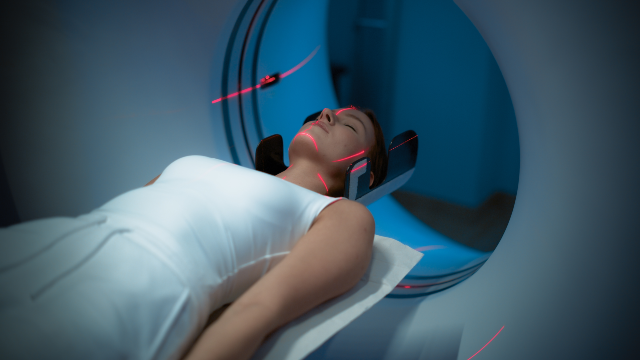
Is a 3.0T MRI Health Screening Safe? Radiation, Contrast
What MRI screening safety really involves: no ionizing radiation, gadolinium contrast risks, implant disclosure, pregnancy advice and claustrophobia help.
Learn More
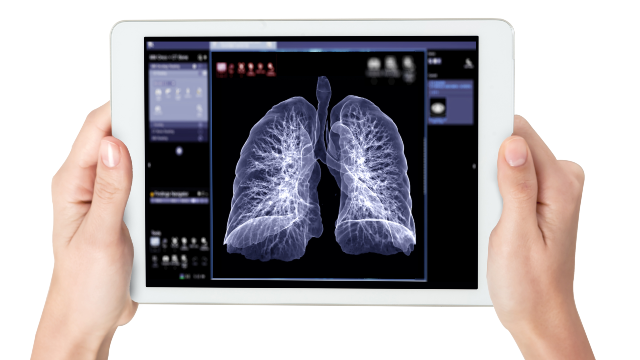
Low-Dose CT Lung Cancer Screening in Korea: Who Qualifies
Who should consider low-dose CT lung screening in Korea: age and smoking criteria from the USPSTF and ACS, trial evidence, risks, and follow-up planning.
Learn More
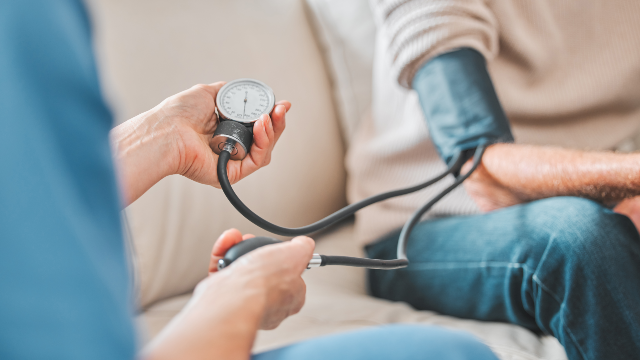
Combining a Health Checkup and GI Screening in Korea
How to combine a health checkup and colonoscopy in Korea on one trip: what the shared fast covers, how the day runs, and real limits of a combined visit.
Learn More