Busan IFC Mall (2F–4F) · 6,600㎡ One-Day Comprehensive Health Screening & Specialist Care · International Patient Concierge


Medical Guide
How Many Days to Stay in Busan for a Health Checkup
Planning a Busan health screening trip? Learn how many days to allow for jet lag, the examination morning, possible extra testing, and the written report.
Schedule a ConsultationHow Many Days to Stay in Busan for a Health Checkup
Medically reviewed by Dr. Baik Seung Hyuk, M.D., Ph.D., FASCRS, Hospital Director
Americans planning a screening trip almost always begin with the same practical search: how many days for Korea health checkup travel do I actually need? It is a fair question, and the honest answer is that the examination is the shortest part of the trip. A comprehensive checkup at Yonsei Mirae IFC Medical Center in Busan runs roughly three and a half to four hours, which is a single morning. The days you need to budget come from everything wrapped around that morning — the body clock you arrive with, the fasting rules that govern the night before, the possibility that one finding prompts another test, and the way the written report reaches you afterward. This article gives you a way to build the itinerary backward from the appointment rather than guessing.
The Bottom Line
- Budget four nights on the ground as a comfortable default: an arrival buffer, the examination day, a contingency day, and a departure day.
- The examination itself is short. A comprehensive checkup takes about three and a half to four hours; a national checkup runs roughly one and a half to four hours depending on the tests selected.
- The center describes its one-day, one-stop premium program as allowing results to be reviewed on the same day, while its general checkup process describes the formal result sheet arriving about two weeks after the examination. Timing varies with the examinations you choose.
- Long-haul eastbound travel is the single biggest reason to add a day before the appointment, because an early morning fasting start collides with a body clock still set to North American time.
- If something on the screening needs a second look, you want the flexibility already built into the calendar rather than a schedule change made under pressure.
Build the Itinerary Backward From the Appointment
Most people plan a medical trip forward: pick flights, then find an appointment. That ordering is what produces rushed mornings and missed fasting windows. The better sequence is to fix the examination slot first, then add a buffer in front of it and a cushion behind it.
Health screening at the center opens at 7:30 AM Korean Standard Time on weekdays and closes at 4:30 PM. Saturdays open at the same hour but finish at 12:30 PM. Sundays and public holidays are closed. Screening appointments start early because fasting-dependent blood work and imaging are best done before you have eaten. That early start is the constraint everything else has to bend around, and it is the reason a red-eye arrival the previous evening is a poor plan.
Once the slot is fixed, the shape of the trip becomes simple:
- One full day before the appointment for arrival and adjustment
- The appointment day itself, treated as a half day at minimum
- One open day after the appointment held in reserve
- A departure day that is not the same day as the examination
Day Zero: The Arrival Buffer
The arrival buffer is not a rest day for comfort. It exists because your internal clock does not cross the Pacific at the same speed your airplane does.
Why an early fasting appointment argues for a buffer
The U.S. Centers for Disease Control and Prevention, in its Yellow Book guidance for travelers, describes jet lag disorder as a temporary misalignment between the body's internal circadian clock and local time after rapid travel across multiple time zones. The CDC notes that symptoms can include disturbed sleep, daytime sleepiness, impaired concentration, general malaise and digestive upset, and that light exposure is the strongest signal available for shifting the clock toward local time. It also draws a line at roughly three time zones: below that threshold, tiredness is usually ordinary travel fatigue rather than true jet lag. A flight from the United States to Busan crosses far more than three.
The National Heart, Lung, and Blood Institute, part of the U.S. National Institutes of Health, covers the same territory in its consumer sleep guidance, describing how the circadian system governs sleep timing and alertness and how jet lag and shift work throw that system out of step with the surrounding day. Practically, that means the first Korean morning after a long eastbound flight is often the worst possible time to sit down for a four-hour examination that began with no breakfast. Adding one day lets you eat normally, get light exposure at local morning hours, and sleep once on Korean time before the fasting window starts.
What the buffer day should and should not contain
Keep it deliberately light. The center's preparation guidance asks patients to avoid strenuous exercise, overwork and alcohol before a checkup, and to fast from 9 PM the night before. A buffer day spent on a hiking trail and a late dinner defeats the purpose. Walking outdoors in daylight, a normal-sized lunch, an early evening meal finished before the fasting cutoff, and a reasonable bedtime are the whole assignment. If your program includes a colonoscopy, the buffer day becomes genuinely necessary rather than merely advisable, because bowel preparation has its own schedule and its own dietary restrictions that begin before the examination day.
The Appointment Day
Plan this as a morning that may run into early afternoon, and plan nothing immovable after it.
A comprehensive checkup at the center takes approximately three and a half to four hours. A national health checkup can run from about one and a half to four hours depending on which tests are included. Higher-tier programs, which can add 3.0T MRI, 128-channel MDCT, cardiac ultrasound or sedated endoscopy, sit at the longer end of that range. The center's one-day, one-stop model is designed so that these examinations happen in sequence during one visit rather than across several appointments on different days, which is precisely what makes a short medical trip feasible at all.
Two things can stretch the day. If your program includes sedation for gastroscopy or colonoscopy, you need recovery time in the building and a quiet remainder of the day afterward, and the medical team should give you individual guidance about activity and travel. And if a result during the visit prompts an additional examination, you may be asked to stay longer or come back. Neither is a problem if the calendar has room.
The Contingency Day
This is the day most travelers leave out and the one that most often turns out to matter.
The National Cancer Institute makes a distinction worth carrying into any screening trip: a screening test is not a diagnosis. When a screening result is abnormal, the institute explains, further diagnostic testing is generally needed to establish what the finding actually represents, because many abnormal screening results turn out to reflect something other than cancer. The same logic applies across a comprehensive checkup, not only to cancer screening. An unexpected ultrasound finding, a laboratory value outside the reference range, or an image that is simply unclear can all generate a reasonable request for one more test.
The institute also frames the value of any screening program around what happens after the result rather than around the test alone: the benefit of screening is only realized when an abnormal result receives timely evaluation, and a result that is never followed up delivers no benefit at all.
At Yonsei Mirae IFC Medical Center, an abnormal finding does not leave you to work out the next step alone. A One-Step referral system routes the patient onward — to whichever department fits the finding, or to a larger general hospital when that is the right setting — with prescription, treatment and staged follow-up management attached. A published guide covers that system in depth. For trip-planning purposes, the only thing you need to know is that the pathway exists and that using it takes time you have not otherwise allocated.
One open day is usually enough to absorb a repeat ultrasound, a specialist consultation or an additional blood draw. It is not enough to absorb a biopsy with pathology turnaround, and you should not try to force that into a fixed departure date. If a finding points toward tissue sampling, the right response is a conversation about whether to extend the stay or arrange the work at home, not a rushed procedure squeezed in before a flight.
Departure Day and the Report That Follows You Home
Do not fly out on the evening of the examination. Beyond the obvious risk of a schedule that slips, the center's guidance on flying home after screening is individual: after routine non-invasive testing, travel is generally reasonable once you feel well, but if sedation or an invasive examination was performed, the medical team should advise you on timing. That advice is easier to follow when your flight is a day away rather than six hours away.
The report question is where expectations most often go wrong. Two different things are true at the same time, and they belong to different programs:
- The center promotes a one-day, one-stop premium checkup in which health checkup results can be checked on the same day.
- Its general checkup process describes the formal result sheet being received approximately two weeks after the examination.
Which one applies to you depends on the program you select, and the timing of any individual examination can vary — laboratory work, imaging interpretation and specialist assessment do not all finish at the same moment. The practical consequence is that "same day" and "final written report" are not automatically the same event, and you should confirm with the center which pathway your chosen program follows before you book flights around it.
If the formal report is going to land after you are already home, set that up before you leave. Ask what format the report will take and confirm the contact route for questions. For international patients the center issues its examination reporting, physicians' notes and the underlying records in English as well as Chinese, and result consultations are available by phone, so a question that surfaces two weeks later does not require another flight. How those English records then travel to your own physician is covered in a separate published guide.
A Worked Four-Night Example
Here is the default translated into a calendar. Adjust it for your own flight schedule and program.
- Night 1 — arrival. Land in the afternoon if you can, eat a normal dinner, get outdoor light, sleep on local time.
- Day 2 — buffer. Light activity, no alcohol, no hard workout, early dinner, fasting from 9 PM.
- Day 3 — examination. Early start, three and a half to four hours for a comprehensive program, nothing scheduled afterward.
- Day 4 — contingency. Free if nothing came up; available for a repeat test or consultation if something did.
- Day 5 — departure. Fly home.
Five days, four nights. If you are already in Korea for other reasons, the buffer shrinks, because your clock has adjusted. If you are flying in specifically for the checkup, resist the urge to compress it.
What Pushes the Stay Longer
- A program that includes sedated endoscopy, which adds recovery time and individualized travel advice
- Colonoscopy with polyp removal, after which the center recommends restricting strenuous activity and long-distance travel for roughly two weeks
- An abnormal result that warrants confirmatory imaging or a specialist opinion
- A Saturday or public holiday adjacent to your window, since screening hours are shorter on Saturday and the center is closed Sundays and holidays
- Wanting an in-person results consultation for a program whose formal report is not same-day
Practical Checks Before You Book Flights
- Confirm the appointment date and start time in Korean Standard Time, and confirm which program you are booked for
- Ask which result pathway that program follows, and what the report will contain
- Review entry requirements on the U.S. Department of State's country information page for South Korea, which covers passport validity, visa-free stays and current advisories
- Read the CDC's traveler guidance on seeking medical care abroad, which recommends arranging records, follow-up and contact routes before you travel rather than after
- Arrange preparation instructions in advance, particularly if endoscopy is part of your program
- Keep the return flight changeable if the fare class allows it
You can start the scheduling conversation through the center's contact page, and background on the facility and its international patient services is available on the about page.
Frequently Asked Questions
Can the whole checkup really be done in one day?
Yes, the examinations themselves are designed to be completed in a single visit. The center operates a one-day, one-stop model, and a comprehensive program takes roughly three and a half to four hours. The trip around that day is what requires more than one day.
How many days should I stay in Busan overall?
Four nights is a sensible default for a traveler flying in from North America: one buffer day, the examination day, one contingency day and a departure day. A shorter stay can work if you are already in Korea and adjusted to the time zone. A longer stay makes sense if your program includes sedated endoscopy or if follow-up testing is likely.
Why do I need a day before the appointment?
Because screening starts early and requires fasting from 9 PM the night before, and because the CDC describes jet lag as a genuine misalignment of the body clock after crossing multiple time zones. One local night of sleep and one day of daylight exposure make an early fasting appointment far more manageable.
When will I get my results?
That depends on the program. The center describes its one-day, one-stop premium program as allowing results to be checked on the same day, while its general checkup process describes the formal result sheet being received about two weeks after the examination. Individual examinations can vary, so confirm the pathway for your specific program when you book.
What if the report arrives after I am home?
That is a normal outcome for the general checkup pathway, and it does not require you to stay in Korea. Foreign patients can have their reporting, physicians' notes and records prepared in English and in Chinese, and a phone consultation about results is available.
Can I fly home right after the examination?
After routine non-invasive testing, travel is generally reasonable once you feel well. If sedation or an invasive examination is performed, the medical team should give you individual guidance on timing, and after polyp removal the center recommends avoiding long-distance travel for about two weeks. Leaving a day between the examination and the flight gives that conversation room.
What happens if they find something while I am still there?
Additional evaluation may be recommended, and the center's One-Step referral pathway connects patients to the relevant department or a higher-level general hospital. Having an open day in the itinerary is what lets you act on that recommendation without rearranging flights.
This article is for general informational purposes and does not constitute individualized medical advice, and it is not a self-diagnosis tool. Screening options, test selection, and the meaning of any result can only be determined through consultation with a qualified physician.
More Articles
Continue reading our clinical guides.
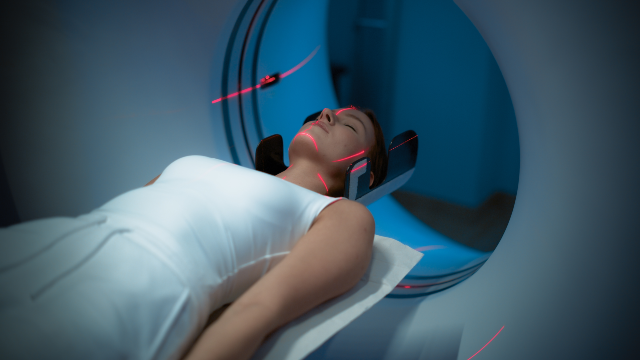
Is a 3.0T MRI Health Screening Safe? Radiation, Contrast
What MRI screening safety really involves: no ionizing radiation, gadolinium contrast risks, implant disclosure, pregnancy advice and claustrophobia help.
Learn More
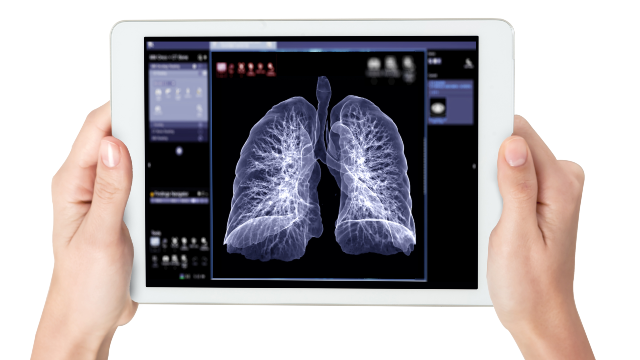
Low-Dose CT Lung Cancer Screening in Korea: Who Qualifies
Who should consider low-dose CT lung screening in Korea: age and smoking criteria from the USPSTF and ACS, trial evidence, risks, and follow-up planning.
Learn More
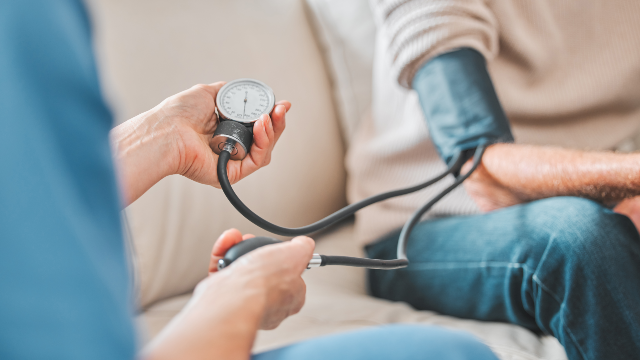
Combining a Health Checkup and GI Screening in Korea
How to combine a health checkup and colonoscopy in Korea on one trip: what the shared fast covers, how the day runs, and real limits of a combined visit.
Learn More