Busan IFC Mall (2F–4F) · 6,600㎡ One-Day Comprehensive Health Screening & Specialist Care · International Patient Concierge

Specialty Department
Gastroenterology Treatment
Gastroenterology care in Busan at Yonsei Mirae IFC Medical Center — digestive disease diagnosis with gastroscopy, colonoscopy and abdominal ultrasound, the endoscopy equipment used, and same-day polyp removal.
Schedule a ConsultationGastroenterology Treatment
Medically reviewed by Dr. Baik Seung Hyuk, M.D., Ph.D., FASCRS, Hospital Director and Medical Director of Yonsei Mirae IFC Medical Center
Gastroenterology treatment at this clinic in Busan covers the diagnosis and treatment of digestive disease using gastroscopy, colonoscopy and abdominal ultrasound. The conditions the department lists are the ordinary ones — gastritis, gastric and duodenal ulcers, reflux oesophagitis, irritable bowel syndrome and fatty liver — and the work is to establish which of them is behind a patient's symptoms. This page sets out how that evaluation is done, what equipment it uses, and what the department can treat in the same visit.
What Is Gastroenterology Treatment?
Gastroenterology treatment is the diagnosis and treatment of digestive diseases, delivered through endoscopic and ultrasound examination rather than as a single test. A gastroenterology consultation is combined with examination results and imaging findings; gastroscopy and colonoscopy are then used both for evaluating digestive disease and for cancer screening.
- The conditions documented for the department include gastritis, gastric and duodenal ulcers, reflux oesophagitis, irritable bowel syndrome and fatty liver.
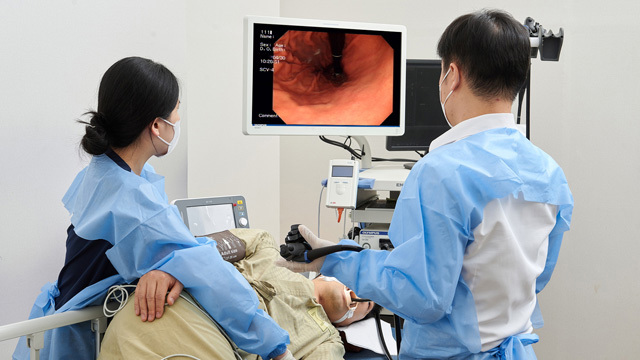
- Gastroscopy examines the oesophagus, stomach and duodenum; colonoscopy examines the large intestine; abdominal ultrasound examines the organs around them.
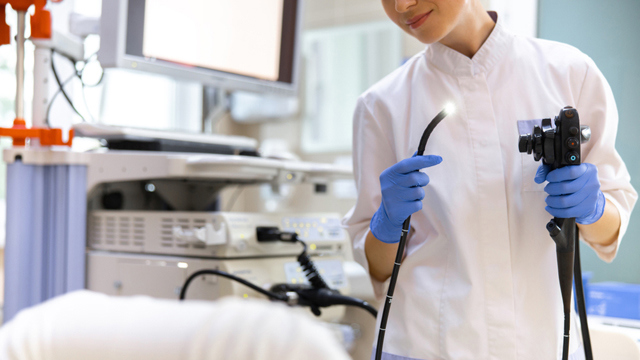
- The department uses high-definition endoscopy equipment — a GIF-H290 gastroscope and CF-HQ290L and CF-H2901 colonoscopes.
- Where a polyp is found during endoscopy, it can be removed in the same visit through a one-stop diagnosis-and-treatment system.
- Sleep endoscopy is provided with a pre-test anaesthesia assessment, vital-sign monitoring and post-test recovery management.
- The stated aim is accurate diagnosis and personalised treatment of digestive disease, with a polyp found along the way removed in the same visit where that is appropriate.
Two of these examinations are also screening tests, and screening has a wider context worth knowing. The National Cancer Institute's patient guide to colorectal cancer screening lists five test types used to screen for colorectal cancer — faecal occult blood testing, sigmoidoscopy, colonoscopy, virtual colonoscopy and DNA stool testing — each with its own balance of benefits and harms.Colonoscopy is one option among several rather than the only route to screening, and which is appropriate is a decision made with a physician.
Who Performs Gastroenterology Treatment at Yonsei Mirae IFC Medical Center
| - | - | - |
|---|---|---|
| Dr. Baik Seung Hyuk | Dr. Park Kwang-hyuk | Dr. Kang Moo-jin |
Yonsei Mirae IFC Medical Center documents this service as being overseen by the physician named above rather than documenting that one individual personally performs every appointment, so the member of the clinical team you see on the day is determined by scheduling. Three physicians are documented for this department: Dr. Baik Seung Hyuk, Dr. Park Kwang-hyuk and Dr. Kang Moo-jin. Dr. Baik Seung Hyuk, who oversees the general screening team, is a board-certified colorectal surgeon holding M.D. and Ph.D. degrees and an International Fellow of the American Society of Colon and Rectal Surgeons; his documented subspecialty expertise is in colorectal surgery, including advanced colorectal surgical oncology. Dr. Park Kwang-hyuk is a board-certified gastroenterology specialist and a graduate of Hanyang University College of Medicine. Dr. Kang Moo-jin is a gastrointestinal endoscopy specialist and internal medicine specialist who completed his internship and residency at Hanyang University Medical Center and was formerly a fellow in gastroenterology at Pusan National University Hospital, Yangsan. Between them the three cover the department's range: colorectal surgery, gastroenterology and gastrointestinal endoscopy.
GI Examination Options and Types Available
| Examination | What it looks at | When it is used |
|---|---|---|
| Gastroscopy | Oesophagus, stomach and duodenum, viewed directly | Upper digestive symptoms, ulcer and reflux evaluation, upper cancer screening |
| Colonoscopy | The large intestine, viewed directly | Lower digestive symptoms, inflammation, polyps and tumours, colorectal screening |
| Abdominal ultrasound | The organs of the abdomen | Evaluation alongside endoscopy, including for fatty liver |
| Sedated endoscopy | As above, with sedation | Where anxiety or discomfort would otherwise limit the examination |
| Same-day polypectomy | Removal of a suitable polyp found during colonoscopy | When a polyp identified at colonoscopy is suitable for endoscopic removal |
Gastroscopy and colonoscopy can also be combined within a health-checkup programme rather than booked as standalone examinations, and a gastroenterology evaluation may combine gastroscopy, colonoscopy and abdominal ultrasound according to the patient's condition.
Four services sit under this department, and it is worth knowing at the outset which one a given question leads to.
Sedated gastroscopy and colonoscopyis the department's core examination: a sedated endoscopic look at the upper digestive tract and the colon, with sedation used specifically to reduce the anxiety and discomfort of the examination. The gastroscope covers the oesophagus, stomach and duodenum; the colonoscope covers the large intestine, looking for inflammation, polyps and tumours.Same-day colon polyp removalis what happens when that colonoscopy finds something. A polyp suitable for endoscopic removal can be taken out during the same examination, so diagnosis and treatment are completed in one visit rather than across two appointments.Upper GI seriesis the imaging alternative for the upper tract: an X-ray examination in which the patient drinks a contrast agent that outlines the oesophagus, stomach and duodenum on the images. The department describes it as an indirect examination that can assess structural and functional abnormalities, and notes that it is less accurate than gastroscopy for some findings — so an abnormal result on it may lead to an endoscopic examination.Liver, pancreas and biliary disease diagnosisis the broader evaluation used when the concern is one of the organs around the digestive tract rather than the tract itself. It draws on blood tests, abdominal ultrasound, cross-sectional imaging and, where the findings require it, endoscopic examination or tissue sampling.
Each has its own page. The point of grouping them in one department is that the answer to a digestive complaint often moves between them: an imaging finding prompts an endoscopy, an endoscopy finds a polyp, a polyp is removed the same day, or an abnormal liver enzyme sends the evaluation towards the hepatobiliary pathway instead.
Who Is a Good Candidate for Gastroenterology Treatment?

- Patients who need evaluation or treatment for a digestive disease, including gastritis, ulcers, reflux oesophagitis, irritable bowel syndrome or fatty liver.
- Patients with persistent digestive symptoms that have not been explained.
- Patients who need evaluation of gastric or colorectal polyps, or who have a suspected stomach or colorectal cancer.
- Patients seeking early detection of gastrointestinal disease rather than investigation of a specific complaint.
- Patients who are pregnant or may be pregnant should postpone endoscopy.
- Sedated procedures may be unsuitable for some patients with significant heart, lung, kidney or liver conditions, or other conditions affecting the safety of sedation.
What to Expect: Procedure, Recovery, and Results Timeline
Preparation depends on the examination. Endoscopy requires appropriate pre-test preparation, and colonoscopy additionally requires bowel preparation. Where sedation is used, a pre-test anaesthesia assessment is carried out first, vital signs are monitored throughout, and recovery is managed afterwards. A routine endoscopic examination generally takes a relatively short time, though the appointment lengthens if a biopsy or a polyp removal is performed. Endoscopic findings can usually be identified during the examination itself. Where tissue is collected for biopsy, the final pathology result requires additional processing time. Most patients resume normal activities after recovering from the examination; patients who have been sedated rest in the recovery area and should avoid driving or operating machinery that day. Temporary bloating, abdominal discomfort, mild throat irritation after gastroscopy, nausea or drowsiness after sedation may occur. For routine gastroenterology endoscopy an extended stay in Korea is generally not necessary, though additional time may be needed where polyp removal, biopsy or further treatment is required.
The general shape of an upper endoscopic examination is well documented outside any one clinic. The National Institute of Diabetes and Digestive and Kidney Diseases describes upper GI endoscopy as typically taking 10 to 20 minutes, usually performed under sedation, and requiring about an hour of recovery before discharge, with a ride home arranged beforehand.That last point is the one most often overlooked when a patient plans the rest of the day around the appointment.
| Stage | What to expect |
|---|---|
| Preparation | Pre-test preparation for endoscopy; bowel preparation additionally for colonoscopy |
| Sedation assessment | Carried out before a sleep endoscopy, with vital-sign monitoring during the examination |
| Examination | Relatively short for a routine endoscopy; longer where biopsy or polypectomy is performed |
| Immediate findings | Endoscopic findings can usually be identified during the examination |
| Pathology | Additional processing time where tissue has been collected |
| Recovery | Monitored recovery after sedation; no driving or machinery that day |
| Stay in Korea | Extended stay generally unnecessary for routine endoscopy; longer if treatment follows |
Where a finding needs more than this department can provide, the clinic describes a One-Step model in which a finding can be routed the same day to an in-house department, or fast-tracked to a partner tertiary hospital. For a gastroenterology finding that matters, because the step after a suspicious endoscopic appearance is usually another appointment somewhere else, and it is the interval between them that patients feel.
Combining GI Examinations with Other Assessments
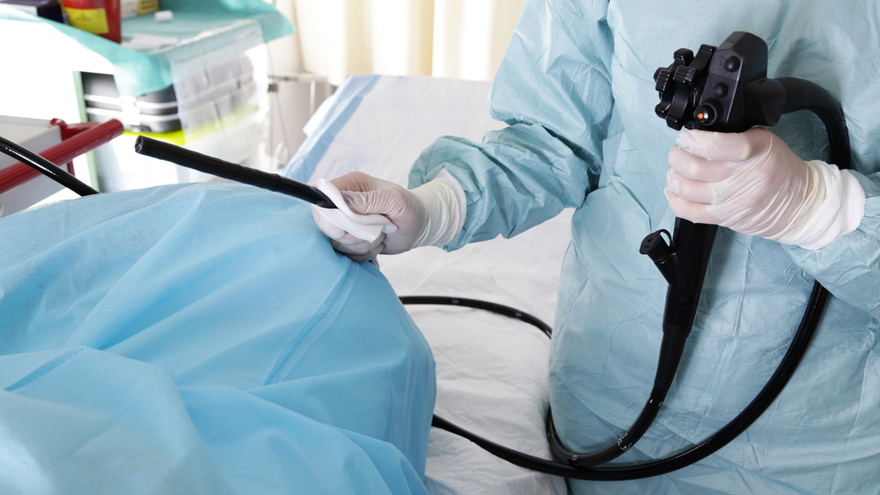
Digestive evaluation is rarely a single test, and the department documents how its examinations are put together.
- Gastroscopy, colonoscopy and abdominal ultrasound can be combined in one evaluation according to the patient's condition.
- Gastroscopy and colonoscopy can be included together inside a health-checkup programme rather than arranged as separate appointments.
- Colonoscopy and polyp removal are combined in the same visit through the one-stop system where a polyp proves suitable for endoscopic removal.
- Where an upper GI series shows an abnormality, gastroscopy may follow to look at the same area directly and, if needed, take a biopsy.
- Where the suspected problem is hepatobiliary, laboratory testing and imaging are combined first, with endoscopic examination added only if the initial findings call for it.
Safety, Precision, and Clinic Standards
The department documents its infection control against a named standard: endoscope cleaning and disinfection follows Korean Society of Gastrointestinal Endoscopy standards, using dedicated automated cleaning equipment. Sedation is managed individually rather than by a fixed protocol, with vital-sign monitoring during the examination and monitored recovery afterwards. CO₂ insufflation is used during endoscopy to reduce abdominal bloating and post-procedure discomfort. The endoscopes in use are high-definition — GIF-H290 for gastroscopy, CF-HQ290L and CF-H2901 for colonoscopy. Yonsei Mirae IFC Medical Center operates as a licensed Korean medical clinic under the Medical Service Act, with business registration number 320-46-00824.
Colonoscopy is a safe examination, but not a risk-free one, and the numbers are published. The National Institute of Diabetes and Digestive and Kidney Diseases reports that in screening colonoscopies perforation occurred in about 3 per 10,000 procedures and bleeding in about 15 per 10,000, most often in older people and in those who had polyps removed. Those figures are small, and they are also the reason the preparation, the monitoring and the aftercare instructions are not formalities.
One thing this page deliberately does not give is a single risk figure for the department as a whole. Risk in gastroenterology attaches to the examination, not to the specialty: a diagnostic gastroscopy, a colonoscopy, a polypectomy and a contrast X-ray have different complication profiles, different preparation and different aftercare. Each of the four service pages states its own, and a department-level average would obscure exactly the difference a patient needs to weigh.
The International Medical Center at Yonsei Mirae IFC Medical Center provides English-language support for international patients, and the clinic states that this assistance runs from consultation through recovery.
The Bottom Line
- The department diagnoses and treats digestive disease using gastroscopy, colonoscopy and abdominal ultrasound, with consultation read alongside examination and imaging findings.
- High-definition Olympus 290-series endoscopes are used, with CO₂ insufflation to reduce bloating and a named national standard for endoscope disinfection.
- Sedated endoscopy includes a pre-test anaesthesia assessment, monitoring during the examination and managed recovery afterwards.
- A polyp found during colonoscopy can be removed in the same visit where it is suitable for endoscopic removal.
- Findings are usually visible during the examination; biopsy results take longer, and sedation rules out driving for the rest of the day.
Frequently Asked Questions**Which digestive conditions does the department evaluate?**The documented list covers gastritis, gastric and duodenal ulcers, reflux oesophagitis, irritable bowel syndrome and fatty liver, alongside evaluation of gastric and colorectal polyps and of suspected stomach and colorectal cancer. Evaluation combines consultation with endoscopic and imaging findings rather than resting on one test.**Is the examination painful?**Sedation is used to reduce anxiety and discomfort during endoscopy, and CO₂ insufflation is used to reduce the bloating and abdominal discomfort that can follow. Mild throat irritation after gastroscopy and temporary bloating are the common transient effects.**How is sedation handled?**A sleep endoscopy begins with a pre-test anaesthesia assessment. Vital signs are monitored during the examination, and recovery is managed afterwards in a monitored area. Sedation is administered according to the individual patient's condition rather than to a single fixed protocol.**When do I get the results?**Endoscopic findings can usually be identified during the examination, so the doctor can generally tell you what was seen before you leave. If tissue was taken for biopsy, the final pathology result needs additional processing time and follows later.**How does the clinic control infection risk in endoscopy?**Endoscopes are cleaned and disinfected systematically using dedicated automated equipment, following Korean Society of Gastrointestinal Endoscopy standards. Infection-control procedures are documented against that standard rather than described in general terms.**Can a polyp be dealt with during the same appointment?**Yes, where the polyp is suitable for endoscopic removal. The department operates a one-stop diagnosis-and-treatment system, so a polyp identified during colonoscopy can be removed in the same visit rather than requiring a second appointment.**How long should I stay in Korea?**For a routine gastroenterology endoscopy an extended stay is generally not necessary. Allow additional time if polyp removal, biopsy or further treatment is likely, since those change both the recovery and the follow-up.Who should postpone the examination?
Patients who are pregnant or may be pregnant should postpone endoscopy. Sedation may be unsuitable, or require additional assessment, for patients with significant heart, lung, kidney or liver conditions, or with other conditions that affect sedation safety.
Book a Consultation at Yonsei Mirae IFC Medical Center
Digestive symptoms are worth describing to a doctor before deciding which examination you need. Enquiries and appointments go through the clinic's enquiry and booking page, or by telephone on . The department, its physicians and the facility are described further on the clinic's About Us page.
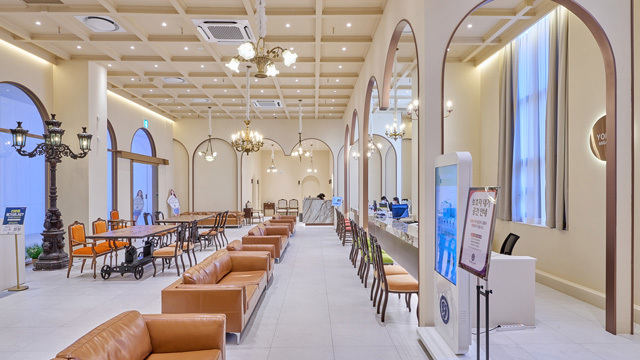
Yonsei Mirae IFC Medical Center is located on the second, third and fourth floors of IFC Mall, 133 Jeonpo-daero, Nam-gu, Busan, South Korea. Health screening runs Monday to Friday from 7:30 AM to 4:30 PM and Saturday from 7:30 AM to 12:30 PM, Korean Standard Time. Consultations run Monday to Friday from 8:00 AM to 6:00 PM and Saturday from 8:00 AM to 12:30 PM. The clinic is closed on Sundays and public holidays.
Disclaimer
This page is provided for informational purposes only and does not constitute medical advice, diagnosis or treatment. Whether any test or procedure described here is appropriate for you depends on your own medical history and can only be decided in consultation with a qualified physician.
Sources & Further Reading
- Colorectal Cancer Screening (PDQ) — Patient Version — National Cancer Institute, U.S. National Institutes of Health
- Upper GI Endoscopy — National Institute of Diabetes and Digestive and Kidney Diseases, U.S. National Institutes of Health
- Colonoscopy — National Institute of Diabetes and Digestive and Kidney Diseases, U.S. National Institutes of Health
Related Medical Services
Diagnostic examinations and clinical procedures performed across our six specialist departments.
Life-Cycle Checkup Program
The Life-Cycle Checkup Program is a set of age- and life-stage-specific screening packages — pre-marital couples and senior citizens are the two examples the clinic names — designed so that the examinations a person...
Learn More

Fatigue Recovery Clinic
The Fatigue Recovery Clinic at Yonsei Mirae IFC Medical Center provides a structured medical assessment for persistent tiredness or low energy. Fatigue evaluation in Busan here means examining the possible contributing...
Learn More
Upper GI Series
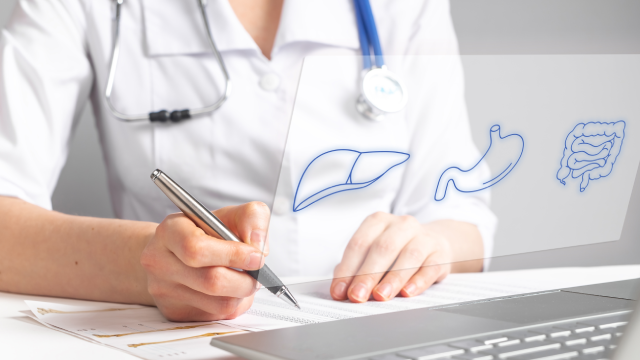
An upper GI series uses swallowed contrast and X-ray imaging to assess structural and functional abnormalities of the oesophagus, stomach and duodenum. The clinic describes it as an indirect examination, in contrast to...
Learn More