Busan IFC Mall (2F–4F) · 6,600㎡ One-Day Comprehensive Health Screening & Specialist Care · International Patient Concierge

Gastroenterology Treatment · Consultation for Pricing
Upper GI Series
An upper GI series uses swallowed contrast and X-ray imaging to assess structural and functional abnormalities of the oesophagus, stomach and duodenum. The clinic describes it as an indirect examination, in contrast to...
Schedule a ConsultationUpper GI Series
Medically reviewed by Dr. Park Kwang-hyuk, board-certified gastroenterology specialist, and Dr. Kang Moo-jin, gastrointestinal endoscopy specialist, at Yonsei Mirae IFC Medical Center
An upper GI series in Busan is an X-ray examination of the oesophagus, stomach and duodenum in which the patient drinks a contrast agent, usually a barium suspension, that outlines the upper digestive tract on the images. Also known as a barium swallow, it is an indirect examination: it shows the shape and the behaviour of the upper tract rather than its surface. That distinction decides both what it is good for and when a gastroscopy is the better test, and this page is mostly about that choice.
What Is an Upper GI Series?
An upper GI series uses swallowed contrast and X-ray imaging to assess structural and functional abnormalities of the oesophagus, stomach and duodenum. The clinic describes it as an indirect examination, in contrast to endoscopy, which looks at the lining directly.
- The patient drinks a radiopaque contrast agent — a barium suspension or an iodine-based agent — and images are taken as it passes through the upper tract.
- The examination uses an X-ray fluoroscopy system, so the contrast can be watched moving rather than only photographed at rest.
- It can evaluate ulcers, narrowing, inflammation, reflux, hiatal hernia and abnormal growths of the oesophagus, stomach and duodenum.
- The clinic describes the examination as having relatively low discomfort and risk.
- The clinic also states plainly that upper GI contrast imaging is less accurate than gastroscopy for some findings, and that gastroscopy may be recommended when an abnormality is detected.
The examination is standard enough to be described independently. The National Institute of Diabetes and Digestive and Kidney Diseases describes an upper GI series as using x-rays, fluoroscopy and barium to view the upper gastrointestinal tract, requiring no anaesthesia, usually taking about two hours, and having constipation from the barium as its most common complication. Note the duration: this is not a quick appointment, even though nothing invasive happens in it.
Who Performs the Upper GI Series at Yonsei Mirae IFC Medical Center
Yonsei Mirae IFC Medical Center documents Dr. Park Kwang-hyuk and Dr. Kang Moo-jin as the doctors for this examination directly, rather than describing it as overseen by a supervising physician. Dr. Park Kwang-hyuk is a board-certified gastroenterology specialist and a graduate of Hanyang University College of Medicine. Dr. Kang Moo-jin is a gastrointestinal endoscopy specialist and internal medicine specialist who completed his internship and residency at Hanyang University Medical Center and was formerly a fellow in gastroenterology at Pusan National University Hospital, Yangsan. Their involvement matters for a specific reason on this examination: the clinic's own documentation says an abnormal upper GI series may need to be followed by gastroscopy, and the physicians who read the contrast images are the same ones who would perform that endoscopy.
Upper GI Series or Gastroscopy — the Options Compared
The clinic documents gastroscopy as the main alternative to this examination, and sets out the trade directly.
| - | Upper GI series | Gastroscopy |
|---|---|---|
| How it looks | Indirectly, through contrast on X-ray images | Directly, at the lining of the tract |
| Invasiveness | Non-invasive; nothing is passed into the body | An endoscope is passed into the upper tract |
| Anaesthesia | None used | Usually performed under sedation at this clinic |
| Biopsy | Not possible | Tissue can be sampled during the examination |
| Radiation | A small amount of radiation exposure | None |
| Accuracy | Less accurate than gastroscopy for some findings | The reference examination for the upper tract |
| What follows an abnormal result | Gastroscopy may be recommended | Biopsy or treatment as the findings require |
The two examinations also differ in what they ask of the rest of the day. The National Institute of Diabetes and Digestive and Kidney Diseases describes upper GI endoscopy as typically taking 10 to 20 minutes, usually performed under sedation, and requiring about an hour of recovery before discharge, with a ride home arranged beforehand. The contrast study takes longer but asks nothing of the day around it; the endoscopic examination is quicker but claims the day. Neither is simply the better test.
The upper GI series is also included as part of comprehensive health-screening packages and can be paired with other imaging, ultrasound, blood tests and endoscopic examinations rather than booked alone.
Who Is a Good Candidate for an Upper GI Series?
- Adults who need imaging assessment of the oesophagus, stomach or duodenum, including as part of health screening.
- Patients with symptoms such as difficulty swallowing, acid reflux, abdominal pain, nausea, vomiting or unexplained indigestion.
- Patients being evaluated for ulcers, narrowing, inflammation, reflux, hiatal hernia or abnormal growths in the upper tract.
- It may not be appropriate for people with certain swallowing difficulties, suspected gastrointestinal obstruction or perforation, significant aspiration risk, or other conditions where oral contrast could be unsafe.
- Patients with a known gastrointestinal obstruction may be unsuitable, because retained barium can worsen a blockage.
- Patients who are pregnant or may be pregnant must tell the medical team, because the examination uses X-rays.
What to Expect: Procedure, Recovery, and Results Timeline
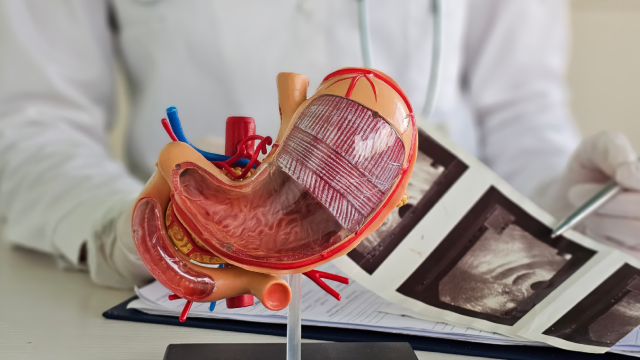
The medical team first reviews symptoms, medical history, medications, the possibility of pregnancy and the requirements of the examination. Fasting is commonly required so that food and liquid do not interfere with the images, and the clinic's specific fasting instructions should be followed. On the day, the patient drinks the prescribed contrast material and is positioned for X-ray and fluoroscopic imaging; images are taken as the contrast passes through the oesophagus, stomach and duodenum. The images are then reviewed by the medical team and any necessary follow-up examination is recommended. A routine upper GI series is generally completed within about 20 minutes of imaging, although how long it takes depends on how quickly the contrast moves through the digestive tract and on the imaging protocol. The examination is generally not painful, though temporary bloating, mild abdominal pressure or discomfort from the barium or from changes of position may occur. Recovery is usually immediate and most normal activities can be resumed straight afterwards.
| Stage | What to expect |
|---|---|
| Before | Review of symptoms, history, medications and pregnancy status; fasting per the clinic's instructions |
| The contrast | A barium suspension or iodine-based agent is drunk at the start of the examination |
| Imaging | X-ray and fluoroscopic images taken as the contrast moves through the upper tract |
| Duration | Around 20 minutes of imaging; longer where the contrast moves slowly |
| Comfort | Generally not painful; temporary bloating or mild abdominal pressure possible |
| Recovery | Usually immediate; normal activities can generally be resumed |
| Afterwards | Fluids help clear the barium; stools may look white or pale for a few days |
| Follow-up | Gastroscopy may be recommended where the images show an abnormality |
Aftercare is simple but not nothing. Follow the clinic's instructions on food and fluids, and unless fluids are medically restricted, drinking adequately helps the contrast pass. Contact a healthcare provider if severe abdominal pain, persistent vomiting, significant difficulty swallowing, or a prolonged inability to pass stool develops afterwards. An uncomplicated upper GI series is an outpatient examination, so an extended stay in Korea is generally not required, though additional visits may be needed if the result calls for further evaluation.
Safety, Precision, and Clinic Standards
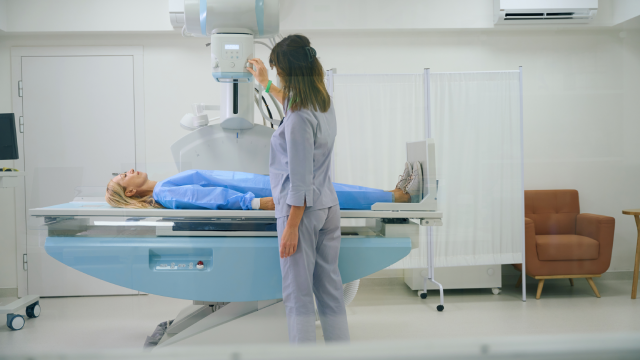
The examination involves a small amount of radiation, and the clinic states that radiation exposure is kept as low as reasonably achievable while still obtaining diagnostic images. Before the examination the medical team reviews relevant medical conditions, medications, allergies and pregnancy status. Barium may occasionally cause constipation and, rarely, intestinal obstruction or an allergic reaction. Rare complications can occur particularly in people with swallowing problems or certain gastrointestinal conditions, which is why those must be disclosed beforehand. The clinic determines suitability physician by physician rather than by a general rule: its documentation states that the physician decides on the basis of the patient's condition.
There is also a limitation worth stating rather than leaving implicit. Because this examination shows the tract indirectly, it cannot sample tissue, and the clinic's own documentation records that it is less accurate than gastroscopy for some findings. A normal result is reassuring for what the test can see; it is not the same statement a gastroscopy makes.
The International Medical Center at Yonsei Mirae IFC Medical Center provides English-language support for international patients, and the clinic states that this assistance runs from consultation through recovery.
The Bottom Line
- An upper GI series images the oesophagus, stomach and duodenum indirectly, using swallowed contrast and X-ray fluoroscopy.
- It is non-invasive, needs no anaesthesia, and generally allows normal activity immediately afterwards.
- It involves a small radiation dose, and barium can cause temporary constipation and pale stools for a few days.
- It is less accurate than gastroscopy for some findings, and an abnormal result may lead to an endoscopic examination.
- Pregnancy, swallowing difficulty and known obstruction all need to be disclosed before the examination is booked.
Frequently Asked Questions
**What does the examination actually show?**It shows the shape and movement of the oesophagus, stomach and duodenum as the contrast passes through, which allows ulcers, narrowing, inflammation, reflux, hiatal hernia and abnormal growths to be assessed. It does not show the lining directly and cannot take a tissue sample.**Is it uncomfortable?**Generally not painful. Some patients experience temporary bloating, mild abdominal pressure or discomfort from the barium itself or from the position changes needed to get the images. Nothing is passed into the body and no anaesthesia is used.**How long does it take?**The imaging itself is generally completed within about 20 minutes, though it varies with how quickly the contrast moves through the digestive tract. The appointment as a whole runs longer, since the examination follows a review of your history and symptoms.**Why might I be sent for a gastroscopy afterwards?**Because contrast imaging is less accurate than gastroscopy for some findings, and it cannot take a biopsy. Where the images show an abnormality or an area needing closer assessment, an endoscopic examination is the way to look at it directly and sample it if necessary.**What are the side effects?**Temporary bloating, abdominal cramping, nausea and constipation are the common ones. Stools may appear white or light-coloured for a few days because of the barium. Drinking adequate fluids afterwards, unless restricted, helps clear it.**Is the radiation a concern?**The examination uses a small amount of radiation, and exposure is kept as low as reasonably achievable while still producing diagnostic images. Patients who are pregnant or may be pregnant must tell the medical team, because that changes the assessment entirely.**Who should not have this examination?**People with certain swallowing difficulties, suspected obstruction or perforation, significant aspiration risk, or other conditions making oral contrast unsafe. A known gastrointestinal obstruction is a particular concern, because retained barium can worsen a blockage.When should I call someone afterwards?
If you develop severe abdominal pain, persistent vomiting, significant difficulty swallowing, or you are unable to pass stool for a prolonged period. Those are the specific warning signs the clinic names; ordinary bloating and pale stools are not among them.
Book a Consultation at Yonsei Mirae IFC Medical Center
Which upper-tract examination suits your symptoms is a question for a doctor, not for a booking form. Enquiries and appointments go through the clinic's enquiry and booking page, or by telephone on . The gastroenterology team and the clinic's imaging and endoscopy facilities are described on the clinic's About Us page.
Yonsei Mirae IFC Medical Center is located on the second, third and fourth floors of IFC Mall, 133 Jeonpo-daero, Nam-gu, Busan, South Korea. Health screening runs Monday to Friday from 7:30 AM to 4:30 PM and Saturday from 7:30 AM to 12:30 PM, Korean Standard Time. Consultations run Monday to Friday from 8:00 AM to 6:00 PM and Saturday from 8:00 AM to 12:30 PM. The clinic is closed on Sundays and public holidays.
Disclaimer
This page is provided for informational purposes only and does not constitute medical advice, diagnosis or treatment. Whether any test or procedure described here is appropriate for you depends on your own medical history and can only be decided in consultation with a qualified physician.
Sources & Further Reading
- Upper GI Series — National Institute of Diabetes and Digestive and Kidney Diseases, U.S. National Institutes of Health
- Upper GI Endoscopy — National Institute of Diabetes and Digestive and Kidney Diseases, U.S. National Institutes of Health
Related Medical Services
Explore additional diagnostic examinations and specialist treatments available at Yonsei Mirae IFC Medical Center.
Life-Cycle Checkup Program
The Life-Cycle Checkup Program is a set of age- and life-stage-specific screening packages — pre-marital couples and senior citizens are the two examples the clinic names — designed so that the examinations a person...
Learn More

Fatigue Recovery Clinic
The Fatigue Recovery Clinic at Yonsei Mirae IFC Medical Center provides a structured medical assessment for persistent tiredness or low energy. Fatigue evaluation in Busan here means examining the possible contributing...
Learn More
Upper GI Series
An upper GI series uses swallowed contrast and X-ray imaging to assess structural and functional abnormalities of the oesophagus, stomach and duodenum. The clinic describes it as an indirect examination, in contrast to...
Learn More