Busan IFC Mall (2F–4F) · 6,600㎡ One-Day Comprehensive Health Screening & Specialist Care · International Patient Concierge

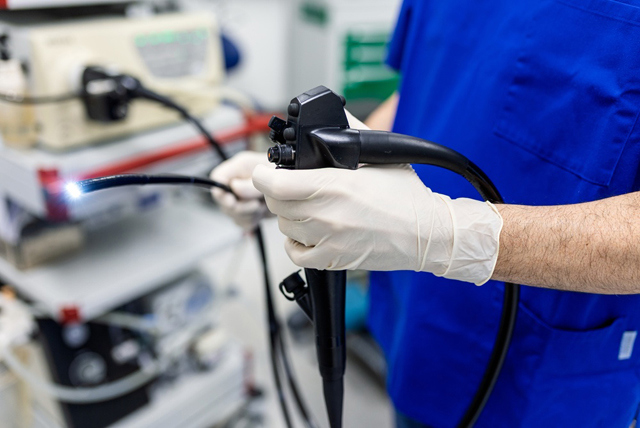
Gastroenterology Treatment · Consultation for Pricing
Sedation Gastroscopy & Colonoscopy
A sedated endoscopic examination is a direct look inside the digestive tract using a flexible camera, carried out while sedation keeps the patient comfortable.
Schedule a ConsultationSedation Gastroscopy & Colonoscopy
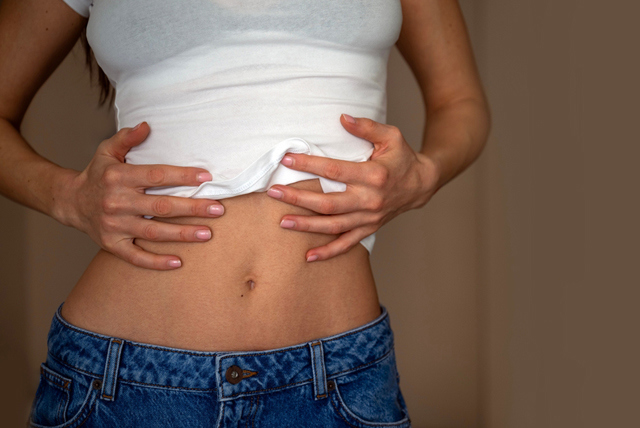
Medically reviewed by Dr. Park Kwang-hyuk, board-certified gastroenterology specialist, and Dr. Kang Moo-jin, gastrointestinal endoscopy specialist, at Yonsei Mirae IFC Medical Center
Sedated gastroscopy in Busan and sedated colonoscopy are endoscopic examinations of the upper digestive tract and the colon performed while the patient is sedated. Gastroscopy examines the oesophagus, stomach and duodenum; colonoscopy examines the large intestine for inflammation, polyps and tumours. Sedation is used for a specific purpose — the clinic describes it as reducing the anxiety and pain associated with the examination — and it brings its own assessment, monitoring and recovery. This page covers all three.
What Is Sedation Gastroscopy & Colonoscopy?
A sedated endoscopic examination is a direct look inside the digestive tract using a flexible camera, carried out while sedation keeps the patient comfortable. It is diagnostic first: the examination can identify gastritis, ulcers, reflux disease, polyps and gastrointestinal cancers, and a polyp found during it may be removed in the same visit.
- Gastroscopy covers the oesophagus, stomach and duodenum; colonoscopy covers the large intestine.
- Sedation is described by the clinic as being used to reduce test-related anxiety and pain, not as a requirement of the examination itself.
- The endoscopes are high-resolution Olympus systems — GIF-H290 for gastroscopy, CF-HQ290L and CF-H2901 for colonoscopy — with HDTV and Narrow Band Imaging capability.
- The clinic describes a systematic sedation process, with assessment beforehand, vital-sign monitoring during the examination and recovery-room observation afterwards.
- A polyp identified during the examination can be removed on the same day through the clinic's one-stop system.
- The examination sits within a consultation: the clinic provides gastroenterology consultation, the endoscopic examination itself, and interpretation of the results, both for digestive disease and for cancer screening.
The shape of a sedated upper endoscopy is well documented. The National Institute of Diabetes and Digestive and Kidney Diseases describes upper GI endoscopy as typically taking 10 to 20 minutes, usually performed under sedation, and requiring about an hour of recovery before discharge, with a ride home arranged beforehand.The examination is short; the appointment is not, and planning around the former is a common mistake.
Who Performs Sedation Gastroscopy & Colonoscopy at Yonsei Mirae IFC Medical Center
Yonsei Mirae IFC Medical Center documents Dr. Park Kwang-hyuk and Dr. Kang Moo-jin as the doctors for this examination directly, rather than describing it as overseen by a supervising physician. Dr. Park Kwang-hyuk is a board-certified gastroenterology specialist and a graduate of Hanyang University College of Medicine. Dr. Kang Moo-jin is a gastrointestinal endoscopy specialist and internal medicine specialist who completed his internship and residency at Hanyang University Medical Center and was formerly a fellow in gastroenterology at Pusan National University Hospital, Yangsan. Dr. Park's documented subspecialty expertise is in gastroenterology, gastrointestinal endoscopy and digestive-system disease, and he is a full member of the Korean Society of Gastrointestinal Endoscopy and of the Korean Society of Gastrointestinal and Colorectal Endoscopy. Dr. Kang Moo-jin's documented core specialisations are gastrointestinal endoscopy, gastroenterology and internal medicine, and he formerly held a clinical professorship in the division of gastroenterology at Pusan National University Hospital, Yangsan.
Sedation Options and Types Available
Sedation is not automatic, and the alternatives are real ones rather than formalities.
| Option | What it involves | When it is considered |
|---|---|---|
| Sedated gastroscopy | Upper endoscopy performed under sedation, with monitoring | Where anxiety or discomfort would otherwise limit the examination |
| General (non-sedated) gastroscopy | The same examination without sedation | Where sedation is unsuitable, or the patient prefers to avoid it |
| Sedated colonoscopy | Colonoscopy performed under sedation, with monitoring | The usual approach for a full colonoscopy |
| Upper GI series | X-ray imaging of the upper tract with swallowed contrast | An indirect alternative where an endoscopic examination is not appropriate |
| Combined gastroscopy and colonoscopy | Both examinations in one sedated session | Where both the upper and lower tract need evaluating |
The clinic lists both general and sedated gastroscopy options, and for upper digestive evaluation a non-sedated gastroscopy or an upper GI series may be alternatives in appropriate cases. Both examinations can also sit inside a health-checkup programme rather than being booked on their own.
Who Is a Good Candidate for Sedation Gastroscopy & Colonoscopy?
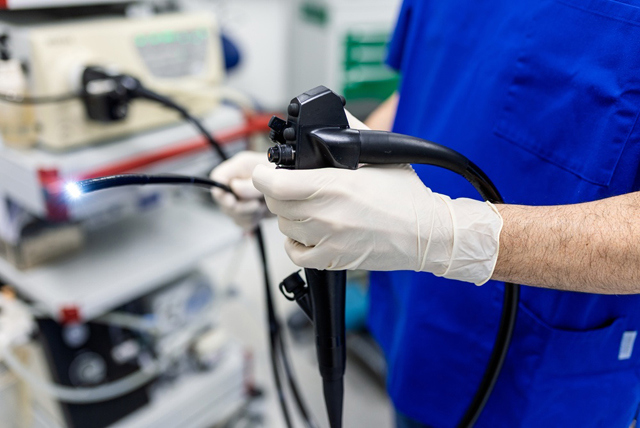
- Adults who need examination of the oesophagus, stomach, duodenum or colon for conditions such as gastritis, ulcers, polyps, inflammation or suspected digestive cancers.
- Patients requiring gastroscopy or colonoscopy for digestive-disease evaluation or health screening, subject to medical assessment.
- Patients for whom anxiety or discomfort would otherwise make the examination difficult to complete.
- Sedation may not be suitable for some elderly patients, or for people with pulmonary dysfunction, heart or kidney disorders, cirrhosis, severe obesity or acute illness.
- The examination may need to be postponed during pregnancy or acute illness.
- Patients with significant heart, lung, kidney or liver conditions may need additional assessment before sedation.
What to Expect: Procedure, Recovery, and Results Timeline
Preparation differs between the two examinations. Gastroscopy requires fasting for eight hours, water included. Colonoscopy requires dietary restrictions and bowel-preparation medication according to the clinic's instructions. On the day, sedation assessment comes first, then the examination is performed with vital-sign monitoring, and recovery-room observation follows. The examination usually takes a relatively short time, but the total appointment runs longer because of preparation, sedation, recovery and any biopsy or polyp removal carried out during the procedure. Sedation is administered according to the individual patient's condition, with monitoring before, during and after. Afterwards, patients rest in a monitored recovery room; if dizziness persists, additional rest is advised. After a gastroscopy the clinic advises avoiding food for at least an hour, and taking additional care with food if a biopsy was taken. Visible findings can generally be identified during the examination itself, while a biopsy sent for tissue analysis requires additional time for the final pathology result.
| Stage | What to expect |
|---|---|
| Before — gastroscopy | Fasting for 8 hours, including no water |
| Before — colonoscopy | Dietary restrictions plus bowel-preparation medication per the clinic's instructions |
| On arrival | Sedation assessment before anything else |
| Examination | Relatively short; the appointment is longer because of preparation, sedation and recovery |
| Monitoring | Vital signs monitored before, during and after |
| Recovery | Monitored recovery room; further rest if dizziness persists |
| After gastroscopy | No food for at least an hour; extra care with food if a biopsy was taken |
| Results | Visible findings identified during the examination; pathology takes additional time |
The clinic states that examination duration varies according to the number and type of tests performed, so a combined gastroscopy and colonoscopy with a biopsy is a different proposition from a single diagnostic look. For international patients, an uncomplicated sedated gastroscopy and colonoscopy does not generally require an extended stay in Korea. Allow additional time if a biopsy, a polyp removal or further treatment is likely, because each of those adds both recovery and a result to wait for. Travel timing should be confirmed with the medical team rather than assumed, particularly where a therapeutic procedure was carried out during the examination.
Sedation also governs the rest of the day, and the restrictions are wider than most people expect. The National Health Service advises that after a gastroscopy performed under sedation a patient must be accompanied home, and should avoid driving, alcohol, operating machinery and signing important documents for 24 hours. The last of those is the one patients rarely anticipate; it is worth knowing before scheduling anything consequential on the same day.
Combining Sedated Endoscopy with Other Procedures
A sedated endoscopy is often not a standalone appointment, and the combinations the clinic documents change what the visit involves.
- Gastroscopy and colonoscopy can be performed together in one sedated session, so a single preparation and a single recovery cover both.
- Both examinations can be included inside a health-checkup programme rather than booked separately, which is the usual route when the examination is for screening rather than for a symptom.
- A polyp found during the colonoscopy can be removed in the same session through the clinic's one-stop system, turning a diagnostic appointment into a therapeutic one.
- A biopsy can be taken during either examination where the appearance warrants it, which extends the appointment and adds a pathology result to the timeline.
- Abdominal ultrasound may be combined with endoscopy within a wider gastroenterology evaluation, depending on the patient's condition.
Each of these lengthens the appointment rather than adding another one, which is the point of combining them — but it also means the time quoted for the examination is not the time to plan around.
Safety, Precision, and Clinic Standards
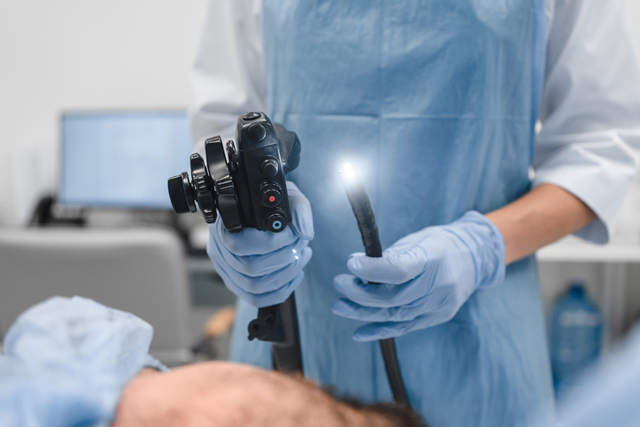
The clinic documents four specific risk-reduction measures for this examination: evaluation before the procedure, vital-sign monitoring, post-sedation recovery monitoring, and thorough endoscope cleaning and disinfection using a dedicated automated system. Endoscope reprocessing follows Korean Society of Gastrointestinal Endoscopy standards. CO₂ insufflation is used during endoscopy to reduce abdominal bloating and post-procedure discomfort. Sedation can affect breathing and blood pressure in some patients, which is the reason for the pre-procedure assessment and the monitoring. Dizziness may occur after the examination and can require additional recovery time. Driving and operating machinery should be avoided on the day of a sedated examination. The potential risks of the examination itself include bleeding, perforation, infection and reactions related to sedation, and that risk increases when a biopsy or a polyp removal is performed rather than a purely diagnostic look.
Common effects are milder and short-lived: temporary drowsiness, nausea, throat irritation after gastroscopy, abdominal bloating or mild cramping.
Two details are worth stating plainly rather than glossing. The clinic does not publish which sedative agent it uses or at what dose — that belongs to the pre-procedure assessment, where it is decided against the individual patient's condition, and it is a reasonable question to ask there. And the imaging capability listed for these endoscopes, HDTV resolution with Narrow Band Imaging, describes what the equipment can display; what it finds in any given examination depends on the examination and the person performing it.
Where the examination turns up something that needs care beyond this department, the clinic describes a One-Step model in which a finding can be routed the same day to an in-house department, or fast-tracked to a partner tertiary hospital. After an endoscopy that has found something, the wait for the next appointment is usually the hardest part of the process to arrange from abroad, which is why the route matters as much as the finding.
The International Medical Center at Yonsei Mirae IFC Medical Center provides English-language support for international patients, and the clinic states that this assistance runs from consultation through recovery.
The Bottom Line
- Sedation is used to reduce the anxiety and pain of endoscopy, and it is assessed individually rather than applied uniformly.
- Gastroscopy needs an eight-hour fast including water; colonoscopy needs dietary restriction plus bowel preparation.
- Monitoring runs before, during and after the examination, and recovery happens in a monitored room rather than in the waiting area.
- Visible findings are usually known during the examination; a biopsy result follows later.
- The day after sedation is not a normal day: no driving, no machinery, no alcohol, and a companion for the journey home.
Frequently Asked Questions
**Why is sedation used for this examination?**The clinic describes sedation as being used to reduce the anxiety and pain associated with the examination. It is not required in order to perform a gastroscopy — the clinic lists a general, non-sedated option as well — so the choice is made against the individual patient's circumstances.**How do I prepare?**For gastroscopy, fast for eight hours, and that includes water. For colonoscopy, follow the dietary restrictions and take the bowel-preparation medication exactly as the clinic instructs, since an incompletely prepared colon can obscure the very findings the examination exists to detect.**How long will I be at the clinic?**The examination itself is relatively short. The appointment is longer, because it includes preparation, the sedation assessment, the examination, recovery-room observation, and any biopsy or polyp removal performed along the way.**Can I go back to work afterwards?**Not on the same day. After sedation, patients rest in a monitored recovery area, and driving and operating machinery must be avoided for the rest of the day. Arrange for someone to accompany you home rather than planning to travel alone.**When will I know the results?**The doctor can generally identify visible findings during the examination itself, so you will usually be told what was seen before you leave. If tissue was taken for analysis, the final pathology result requires additional processing time.**What are the risks?**The documented risks are bleeding, perforation, infection and reactions related to sedation, and the risk is higher when a biopsy or polyp removal is performed than for a purely diagnostic examination. Sedation can affect breathing and blood pressure in some patients.**How is infection risk controlled?**Endoscopes are cleaned and disinfected using a dedicated automated system, following Korean Society of Gastrointestinal Endoscopy standards. Reprocessing is documented against that national standard rather than described in general terms.Can I fly home soon afterwards?
Recover fully from the sedation before travelling, and confirm the timing with the medical team — particularly if a therapeutic procedure such as a polyp removal was performed rather than a diagnostic examination alone.
Book a Consultation at Yonsei Mirae IFC Medical Center
Whether an endoscopic examination should be sedated is worth settling in advance, not on arrival. Enquiries and appointments go through the clinic's enquiry and booking page, or by telephone on . The endoscopy team and the department's equipment are described further on the clinic's About Us page.
Yonsei Mirae IFC Medical Center is located on the second, third and fourth floors of IFC Mall, 133 Jeonpo-daero, Nam-gu, Busan, South Korea. Health screening runs Monday to Friday from 7:30 AM to 4:30 PM and Saturday from 7:30 AM to 12:30 PM, Korean Standard Time. Consultations run Monday to Friday from 8:00 AM to 6:00 PM and Saturday from 8:00 AM to 12:30 PM. The clinic is closed on Sundays and public holidays.
Disclaimer
This page is provided for informational purposes only and does not constitute medical advice, diagnosis or treatment. Whether any test or procedure described here is appropriate for you depends on your own medical history and can only be decided in consultation with a qualified physician.
Sources & Further Reading
- Upper GI Endoscopy — National Institute of Diabetes and Digestive and Kidney Diseases, U.S. National Institutes of Health
- Gastroscopy — National Health Service, United Kingdom
Related Medical Services
Explore additional diagnostic examinations and specialist treatments available at Yonsei Mirae IFC Medical Center.
Life-Cycle Checkup Program
The Life-Cycle Checkup Program is a set of age- and life-stage-specific screening packages — pre-marital couples and senior citizens are the two examples the clinic names — designed so that the examinations a person...
Learn More

Fatigue Recovery Clinic
The Fatigue Recovery Clinic at Yonsei Mirae IFC Medical Center provides a structured medical assessment for persistent tiredness or low energy. Fatigue evaluation in Busan here means examining the possible contributing...
Learn More
Upper GI Series
An upper GI series uses swallowed contrast and X-ray imaging to assess structural and functional abnormalities of the oesophagus, stomach and duodenum. The clinic describes it as an indirect examination, in contrast to...
Learn More