Busan IFC Mall (2F–4F) · 6,600㎡ One-Day Comprehensive Health Screening & Specialist Care · International Patient Concierge


Gastroenterology Treatment · Consultation for Pricing
Liver, Pancreas & Biliary Disease Diagnosis
Liver, pancreas and biliary disease diagnosis is a staged evaluation used to identify or assess conditions affecting the liver, gallbladder, bile ducts and pancreas.
Schedule a ConsultationLiver, Pancreas & Biliary Disease Diagnosis

Medically reviewed by Dr. Baik Seung Hyuk, M.D., Ph.D., FASCRS, Hospital Director and Medical Director of Yonsei Mirae IFC Medical Center
Liver, pancreas and biliary disease diagnosis is a staged evaluation used to identify or assess conditions affecting the liver, gallbladder, bile ducts and pancreas. Hepatobiliary imaging in Busan at Yonsei Mirae IFC Medical Center is not a single test but a pathway: history and examination first, then blood tests and imaging chosen against the suspected condition, and further testing only where the earlier findings leave a question open. This page sets out how that sequence is built and why the order matters.
What Is Liver, Pancreas & Biliary Disease Diagnosis?
It is a comprehensive diagnostic evaluation of the hepatobiliary and pancreatic organs, assembled from whichever examinations the clinical question requires. Depending on the concern, it may include medical history, physical examination, blood tests, abdominal ultrasound, CT, MRI or MRCP, endoscopic examination, or tissue sampling where that becomes necessary.
- The organs covered are the liver, the gallbladder, the bile ducts and the pancreas, which share both anatomy and symptoms and are therefore evaluated together.
- The evaluation begins with symptoms, medical history, medications, previous test results and family history, followed by physical examination.
- Blood tests and imaging are then selected on the basis of the suspected condition rather than run as a standard panel.
- Further testing is added only if the initial findings need clarifying — for example endoscopic ultrasound, ERCP, or a biopsy.
- The aim is to identify or narrow down the cause of symptoms, so that a decision can be made between monitoring, medication, an intervention, surgery, or further investigation.
Patients usually arrive at this evaluation by one of a few routes: persistent abdominal pain, jaundice, abnormal liver or pancreatic blood tests, gallstones, unexplained digestive symptoms, or an abnormality seen on imaging done for another reason. International patients may also come specifically for a coordinated evaluation, because several of the tests involved are otherwise arranged separately and weeks apart.
That staging is not merely administrative — it is how risk is kept proportionate to the question. The National Institute of Diabetes and Digestive and Kidney Diseases states the principle for bile- and pancreatic-duct problems directly: where the purpose is diagnosis alone, non-invasive tests such as MRCP, ultrasound and endoscopic ultrasound carry less risk than ERCP, whose complications occur in roughly 5 to 10 percent of procedures. A diagnostic pathway that reaches for the least invasive adequate test first is following that logic, not economising.
Who Performs Liver, Pancreas & Biliary Disease Diagnosis at Yonsei Mirae IFC Medical Center
Yonsei Mirae IFC Medical Center documents this service as being overseen by the physician named above rather than documenting that one individual personally performs every appointment, so the member of the clinical team you see on the day is determined by scheduling. Dr. Baik Seung Hyuk, who oversees the general screening team, is a board-certified colorectal surgeon holding M.D. and Ph.D. degrees and an International Fellow of the American Society of Colon and Rectal Surgeons. He was formerly a professor of surgery at Yonsei University College of Medicine's Severance Hospital and director of its Colorectal Cancer Center. His documented expertise includes advanced surgical oncology of the abdomen. Because a hepatobiliary evaluation draws on several modalities, other members of the clinic's staff are involved in the examinations themselves: the board-certified radiologist reads the cross-sectional imaging, and the gastroenterology and endoscopy specialists carry out any endoscopic examination the pathway requires.
Diagnostic Options and Types Available
The examinations available differ in what they show, in how invasive they are, and in how long they take. The pathway is built from them rather than choosing among them once.
| Examination | What it contributes | Invasiveness |
|---|---|---|
| Blood tests | Liver and pancreatic enzyme levels and related markers | Minimal; a blood sample |
| Abdominal ultrasound | First-line imaging of liver, gallbladder and bile ducts | Non-invasive, no radiation |
| Contrast-enhanced CT | Cross-sectional detail where ultrasound is insufficient | Non-invasive; radiation and contrast involved |
| MRI / MRCP | Detailed imaging of the bile and pancreatic ducts without instrumentation | Non-invasive, no radiation |
| Endoscopic ultrasound (EUS) | Imaging from inside the digestive tract, close to the organs in question | Endoscopic; sedation generally required |
| ERCP | Direct access to the bile and pancreatic ducts | Invasive; reserved for when it is warranted |
| Tissue sampling | A definitive answer where imaging cannot give one | Invasive; procedure-specific risks |
Which of these is used depends on the suspected condition and on what the earlier results showed. They are also combined in the usual patterns — consultation with blood tests and ultrasound, or imaging followed by endoscopic ultrasound or biopsy where clarification is needed.
Who Is a Good Candidate for Liver, Pancreas & Biliary Disease Diagnosis?
- People with symptoms or test findings suggesting a liver, pancreatic, gallbladder or bile-duct disorder.
- People with abnormal liver enzymes, jaundice, gallstones, suspected inflammation, cysts, masses or unexplained abdominal symptoms.
- People with persistent abdominal pain or unexplained digestive symptoms that earlier testing has not accounted for.
- People whose imaging elsewhere showed an abnormality that needs characterising.
- International patients who need several diagnostic tests coordinated into a single evaluation rather than arranged separately.
- Pregnancy, acute illness, medication use or other medical conditions may require particular tests to be postponed or modified.
What to Expect: Procedure, Recovery, and Results Timeline
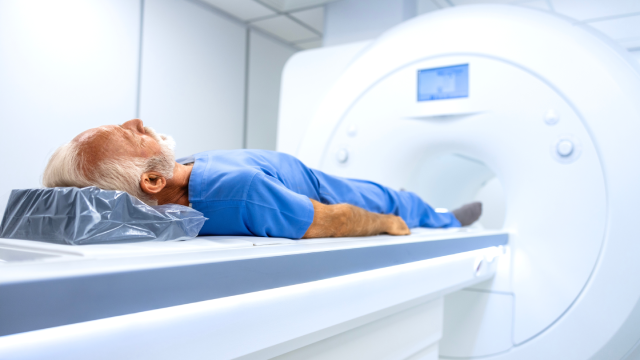
A consultation takes approximately 20 to 60 minutes; the overall diagnostic pathway takes longer, depending on how many tests are needed and what kind. Preparation varies by examination — some imaging and endoscopic procedures require fasting or medication adjustment — and patients should bring previous medical records and disclose medications, allergies, pregnancy and relevant medical conditions. Routine consultation, blood tests and most ultrasound and MRI examinations require no anaesthesia. Some invasive diagnostic procedures may require local anaesthesia, sedation or other pain control, depending on the examination. Blood tests and ultrasound are usually quick; CT, MRI, endoscopic procedures and tissue sampling take longer. Most of the tests involved are minimally invasive or minimally uncomfortable, with discomfort arising mainly from invasive examinations or biopsy. Routine blood tests and non-invasive imaging generally require little or no recovery; patients undergoing sedation or an invasive procedure may need observation and temporary activity restrictions. Some evaluations are completed within a single visit, while invasive testing, pathology or follow-up consultation may require additional visits.
| Stage | What to expect |
|---|---|
| Consultation | Approximately 20–60 minutes: symptoms, history, medications, previous results, family history, examination |
| First-line tests | Blood tests and abdominal ultrasound; quick, and usually enough to direct the next step |
| Cross-sectional imaging | CT or MRI/MRCP where the first-line tests leave a question open |
| Invasive testing | EUS, ERCP or biopsy only where clarification genuinely requires it |
| Anaesthesia | None for consultation, blood tests, most ultrasound and MRI; local anaesthesia or sedation for some invasive procedures |
| Recovery | Little or none after non-invasive testing; observation and temporary restrictions after sedation or an invasive procedure |
| Results | Basic laboratory and imaging findings relatively quickly; pathology and specialised tests take longer |
| Visits | Sometimes one; more where invasive testing, pathology or follow-up consultation is involved |
Where the pathway reaches an endoscopic examination, its practical shape is documented independently. The National Institute of Diabetes and Digestive and Kidney Diseases describes upper GI endoscopy as typically taking 10 to 20 minutes, usually performed under sedation, and requiring about an hour of recovery before discharge, with a ride home arranged beforehand. An endoscopic ultrasound is performed by the same route, so the same practicalities apply to the day it is done.
A diagnostic result describes the patient's condition at the time of the evaluation. Follow-up testing may be needed if symptoms change or if treatment is being monitored — a normal result now is not a permanent statement.
Combining Diagnostic Tests Within One Evaluation
Tests here are combined in recognised patterns rather than ordered singly, and which pattern applies is determined by the suspected condition and by the initial findings.
- Consultation, blood tests and abdominal ultrasound are the usual opening combination, and often sufficient on their own.
- Imaging followed by endoscopic ultrasound or biopsy is the pattern where the first round leaves a finding uncharacterised.
- Contrast-enhanced CT and MRI/MRCP may both be used where the ducts and the surrounding tissue need to be seen in different ways.
- Where the concern includes the digestive tract itself as well as the organs around it, endoscopic examination may be combined with the hepatobiliary work-up.
- Laboratory testing is repeated alongside imaging where a trend over time is more informative than a single value.
- Where a finding is being monitored rather than investigated, the same combination may be repeated at an interval the physician sets.
Combining tests is what allows one visit to answer more than one question, but it is also what makes the pathway's length unpredictable — each combination is chosen after the previous result, not booked in advance.
Safety, Precision, and Clinic Standards
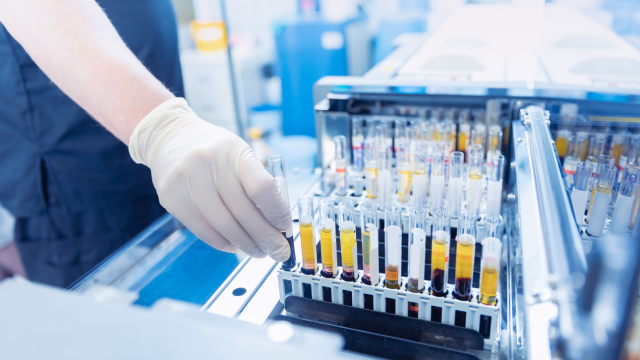
Risk in this evaluation tracks the examination, not the diagnosis being sought. Non-invasive tests generally have minimal risks. Contrast-enhanced imaging can rarely cause allergic reactions or other complications. Invasive procedures such as endoscopic ultrasound, biopsy or ERCP carry procedure-specific risks including bleeding, infection, pancreatitis and injury. Routine blood tests and imaging generally have minimal side effects, though temporary discomfort or bruising may follow blood sampling. The clinic documents four risk-reduction measures for this service: reviewing the patient's medical history, selecting appropriate diagnostic tests, checking relevant medications and allergies, and monitoring patients when invasive procedures are performed.
The first two of those are where most of the safety actually lies. Selecting the appropriate test is not a scheduling decision — as the ERCP guidance cited above makes clear, for diagnosis alone the non-invasive options carry materially less risk than the invasive one, so the discipline of not reaching for an invasive test prematurely is itself a safety measure. Yonsei Mirae IFC Medical Center operates as a licensed Korean medical clinic under the Medical Service Act.
Where findings call for care beyond this clinic, the clinic describes a One-Step model in which a finding can be routed the same day to an in-house department, or fast-tracked to a partner tertiary hospital. Hepatobiliary findings are among those most likely to need that route, because the distance between a suspicious scan and a definitive answer is often another institution.
The International Medical Center at Yonsei Mirae IFC Medical Center provides English-language support for international patients, and the clinic states that this assistance runs from consultation through recovery.
The Bottom Line
- This is a staged evaluation of the liver, gallbladder, bile ducts and pancreas, not a single test.
- History, examination, blood tests and ultrasound come first; cross-sectional imaging and invasive testing are added only as the findings require.
- Most of the pathway needs no anaesthesia; sedation or local anaesthesia applies to specific invasive examinations.
- A consultation runs roughly 20 to 60 minutes, and the full pathway may or may not fit into one visit.
- Laboratory and imaging findings come back relatively quickly; pathology and specialised testing take longer, and a result describes the condition only as it stands at the time of the evaluation.
Frequently Asked Questions
**Why are so many different tests involved?**Because the liver, gallbladder, bile ducts and pancreas produce overlapping symptoms, and no single test characterises all four. The evaluation starts with history, blood tests and ultrasound, then adds only what the earlier results leave unanswered.**Will I need an invasive procedure?**Not necessarily, and the pathway is designed to avoid one where it is not needed. Endoscopic ultrasound, ERCP and biopsy are reserved for cases where imaging cannot settle the question, since for diagnosis alone the non-invasive options carry less risk.**Is any of it painful?**Most of it is not. Blood tests and ultrasound are minimally invasive or minimally uncomfortable, and MRI is minimally uncomfortable though enclosed and noisy. Discomfort arises mainly with invasive examinations and biopsy, which is where sedation or local anaesthesia comes in.**How long will the whole evaluation take?**A consultation is approximately 20 to 60 minutes. The pathway as a whole depends on how many tests are needed: blood tests and ultrasound are quick, while CT, MRI, endoscopic procedures and tissue sampling take longer and may need separate appointments.**Can this be completed in a single visit?**Some evaluations can. Others cannot, particularly where invasive testing, pathology processing or a follow-up consultation is involved. International patients should plan for the possibility of more than one visit rather than assuming a single appointment.**What should I bring?**Previous medical records and test results, a list of your medications, and details of any allergies. Tell the medical team about pregnancy and any relevant medical conditions, since these can require an examination to be modified or postponed.**When can I travel home?**After routine non-invasive testing, generally once you feel well. After an invasive examination or a biopsy, confirm the timing with the medical team — the appropriate interval depends on the procedure performed and on what is being watched for.When is the result final?
Some findings are available shortly after the imaging or laboratory test. A final diagnosis may need specialist interpretation, pathology, or additional testing, and those arrive later. Results describe your condition at the time of evaluation, so follow-up may be needed if symptoms change.
Book a Consultation at Yonsei Mirae IFC Medical Center
An abnormal liver enzyme result or an unexplained abdominal symptom is worth discussing before booking individual tests, since the order they are done in matters. Enquiries and appointments go through the clinic's enquiry and booking page, or by telephone on . The clinic's diagnostic facilities and its physicians are described on the About Us page.
Yonsei Mirae IFC Medical Center is located on the second, third and fourth floors of IFC Mall, 133 Jeonpo-daero, Nam-gu, Busan, South Korea. Health screening runs Monday to Friday from 7:30 AM to 4:30 PM and Saturday from 7:30 AM to 12:30 PM, Korean Standard Time. Consultations run Monday to Friday from 8:00 AM to 6:00 PM and Saturday from 8:00 AM to 12:30 PM. The clinic is closed on Sundays and public holidays.
Disclaimer
This page is provided for informational purposes only and does not constitute medical advice, diagnosis or treatment. Whether any test or procedure described here is appropriate for you depends on your own medical history and can only be decided in consultation with a qualified physician.
Sources & Further Reading
- Endoscopic Retrograde Cholangiopancreatography (ERCP) — National Institute of Diabetes and Digestive and Kidney Diseases, U.S. National Institutes of Health
- Upper GI Endoscopy — National Institute of Diabetes and Digestive and Kidney Diseases, U.S. National Institutes of Health
Related Medical Services
Explore additional diagnostic examinations and specialist treatments available at Yonsei Mirae IFC Medical Center.
Life-Cycle Checkup Program
The Life-Cycle Checkup Program is a set of age- and life-stage-specific screening packages — pre-marital couples and senior citizens are the two examples the clinic names — designed so that the examinations a person...
Learn More

Fatigue Recovery Clinic
The Fatigue Recovery Clinic at Yonsei Mirae IFC Medical Center provides a structured medical assessment for persistent tiredness or low energy. Fatigue evaluation in Busan here means examining the possible contributing...
Learn More
Upper GI Series
An upper GI series uses swallowed contrast and X-ray imaging to assess structural and functional abnormalities of the oesophagus, stomach and duodenum. The clinic describes it as an indirect examination, in contrast to...
Learn More